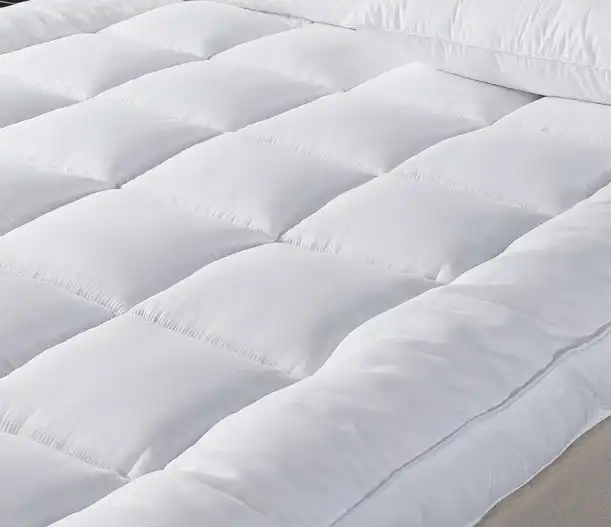
What is the best down alternative mattress topper|
Understanding Down Alternative Mattress Toppers
- Understanding Down Alternative Mattress Toppers
- Comparing Down Alternative Mattress Toppers with Other Options
- How to Select the Best Down Alternative Mattress Topper for Your Business Needs
- Trusted Brands, Suppliers, and Marketplace Insights
- Maintenance Tips and Longevity of Down Alternative Mattress Toppers
- Conclusion
- FAQ
- Partner with Qingdao Youya for Premium Down Alternative Solutions
- References
The best Down Alternative Mattress Topper uses high-tech construction methods and synthetic polyester fibres to give you the soft, luxurious feel of natural down without the allergens or moral issues. The washed microfibre shells and polyester hollow fibre fillings in these toppers make them very breathable, easy to clean, and uniform in their loft recovery. The best choices have elastic corner straps, box-stitched construction, and sizes that can be changed to fit a wide range of business and home needs. Quality makers offer hypoallergenic certifications, machine-washable designs, and full warranty coverage, which makes them perfect for use in healthcare, retail, and hospitality settings that need to improve comfort.
Understanding Down Alternative Mattress Toppers
Down Alternative Mattress Topper technology is a big step forward in improving the quality of sleep surfaces. It uses high-tech synthetic materials to mimic the temperature-regulating and comfort features normally associated with real duck down. When placed on top of existing mattresses, these bedding accessories work as extra comfort layers to change the amount of firmness and improve pressure point relief.
Advanced Synthetic Fill Technology
Siliconised polyester fibres with a denier range of 0.7 to 7 are used in modern synthetic fills. These fibres are made to look and act like quality goose down, clustering and puffing up. The polyester hollow fibre design makes interstitial air pockets that trap warm air while still letting the material breathe. This keeps the material from trapping heat in like some memory foam alternatives do. Special treatments are used on these fibres to make them softer and stop static electricity from building up. This makes the sleeping area better for your skin.
Hypoallergenic Benefits and Health Considerations
Natural down has proteins that can cause allergic reactions in people who are sensitive to them. Synthetic replacements don't have any of these allergens. Dust mites, bacteria, and other microscopic irritants that build up in regular bedding are killed during the production process. These properties are especially valuable to healthcare centres because they help with infection control and make room for patients who have respiratory issues.
Commercial Applications and Industry Standards
The hospitality industry increasingly adopts synthetic alternatives due to their durability under commercial laundering conditions. Hotels require bedding that withstands high-temperature washing cycles exceeding 60°C, necessary for proper sanitisation between guests. These toppers maintain structural integrity and loft properties even after hundreds of commercial wash cycles, providing consistent guest experiences while reducing replacement costs.
Comparing Down Alternative Mattress Toppers with Other Options
Understanding the performance characteristics of various mattress topper materials enables informed procurement decisions across different business sectors. Each material type offers the Down Alternative Mattress Topper distinct advantages and limitations that impact long-term operational efficiency and user satisfaction.
Performance Metrics Analysis
Natural down provides exceptional thermal regulation and compressibility but requires specialised cleaning procedures and presents allergy risks. Memory foam offers superior pressure relief and motion isolation but retains heat and lacks breathability. Feather toppers provide moderate support but suffer from quill poking and durability issues under commercial use.
Synthetic alternatives bridge these performance gaps by offering the following advantages:
- Thermal Regulation: Hollow fibre construction promotes air circulation, preventing heat buildup while maintaining insulation properties during cooler temperatures
- Durability: Synthetic materials resist compression set and maintain loft properties longer than natural alternatives under repeated use
- Maintenance Efficiency: Machine-washable design reduces cleaning costs and downtime compared to dry-clean-only natural down options
- Consistency: Manufactured fills provide uniform distribution and predictable performance characteristics across large procurement quantities
These performance advantages translate into reduced operational overhead and improved user satisfaction metrics across commercial applications.
Cost-Benefit Analysis for B2B Buyers
Procurement professionals must evaluate the total cost of ownership beyond the initial purchase price. While natural down commands premium pricing, synthetic alternatives offer superior value through reduced maintenance costs, extended replacement cycles, and bulk purchasing advantages. Healthcare facilities report 40% lower bedding maintenance costs when transitioning from natural to synthetic alternatives, primarily due to simplified laundering requirements and reduced allergy-related incidents.
Environmental and Sustainability Considerations
Modern synthetic toppers align with corporate sustainability initiatives through several mechanisms. Manufacturing processes utilise recycled polyester content, reducing environmental impact while maintaining performance standards. The absence of animal-derived materials supports ethical sourcing policies, particularly important for organisations with comprehensive ESG commitments.
How to Select the Best Down Alternative Mattress Topper for Your Business Needs
Selecting appropriate Down Alternative Mattress Topper solutions requires careful evaluation of operational requirements, user demographics, and quality standards specific to each business sector. The decision-making process involves analysing multiple factors that impact both immediate performance and long-term operational efficiency.
Industry-Specific Requirements
Different sectors prioritise distinct performance characteristics based on their operational environments and user expectations. Understanding these requirements ensures optimal product selection and procurement efficiency. Hotels and other hospitality places need toppers that keep guests comfortable, even if they have different tastes and can handle being washed a lot. The ideal specs include a fill weight of 600 to 800 GSM, which gives the mattress balanced support Down Alternative Mattress Topper without too much loft that makes making the bed harder. Elastic corner straps keep the laundry in place while you clean, and the quick-drying material cuts down on the time it takes to do laundry. Healthcare facilities put a high value on hypoallergenic certifications and the ability to fight fluids. Toppers must follow infection control rules and relieve pressure for people who are on extended bed rest. The synthetic fill should stop germs from growing and keep its shape after being cleaned many times.
Technical Specifications and Quality Standards
To be a professional buyer, you need to know about the important technical factors that affect performance and longevity. Fill weight density affects both comfort and durability, and the best amounts depend on the use. The thread count of shell materials affects how long they last and how well the fibres stay in place. Percale or cambric fabrics with a thread count of 233 to 400 are the best mix of softness and strength. The box-stitched design stops the fill from moving around and keeps the distribution even across the surface of the topper. With baffle box designs, each fill material is kept in its own room, which stops cold spots and ensures even support. Good makers give specific details about stitch density, which is usually between 8 and 12 stitches per inch. This makes sure that the structure stays strong when it's used in business.
Customisation Options and Supplier Capabilities
Leading manufacturers give you a lot of ways to customise their products to meet your unique needs. Different sizes are available to fit mattresses with non-standard dimensions that are popular in healthcare and speciality hospitality settings. There are different thickness choices, from 2 to 4 inches, so you can fine-tune your comfort level and make sure it works with your mattress. Customising colours helps keep your brand's look consistent and meets interior design needs. Custom packaging choices make it easier to keep track of your inventory and get it to customers quickly. Retailers and brands can make their own product lines with unique features with the help of private labelling.
Trusted Brands, Suppliers, and Marketplace Insights
Identifying reliable manufacturing partners requires a thorough evaluation of production capabilities, quality assurance systems, and supply chain stability. The global market for synthetic bedding materials includes numerous suppliers with varying specialisations and quality standards.
Manufacturing Excellence and Quality Assurance
Well-known companies use thorough quality control systems that check for important performance factors. Standard testing procedures include loft recovery tests, in which squished toppers must return to 90% of their original thickness within certain time limits. Fibre migration testing makes sure that shell materials don't let filling leak out during regular use and washing. By finding broken needles or other contaminants in finished goods, metal detection systems get rid of safety risks. This safety step is required for exporting and shows how advanced the manufacturing process is. Quality certifications like Oeko-Tex Standard 100 make sure that Down Alternative Mattress Topper products don't contain any chemicals that are harmful to people and support buying practices that put user safety first.
Supply Chain Reliability and Logistics
For business-to-business interactions to work, delivery performance must be consistent, and the supply chain must be clear. Leading sellers keep extra inventory on hand in case demand changes with the seasons or if an order comes in later than expected. Their distribution networks make shipping easy and quick, with choices like faster delivery for urgent needs and combined shipping to save money. Modern suppliers offer systems that let customers see their inventory and track orders in real time and connect to the sites that customers use to buy things. These features make it easier to reorder things and help with just-in-time inventory control.
Partnership Benefits and Support Services
Comprehensive supplier partnerships include more than just delivering products; they also include ongoing help and services that add value. Technical consulting helps make sure that the specs of a product are perfect for its intended use, and market data gives information about new technologies and trends. Good sellers offer warranties that cover problems with the way the product was made and how well it works. Return policies take into account valid worries about quality while keeping people from abusing them by requiring clear proof. As part of after-sales help, problems can be fixed, and replacements can be arranged if needed.
Maintenance Tips and Longevity of Down Alternative Mattress Toppers
Proper maintenance protocols significantly impact the operational lifespan and performance consistency of synthetic toppers in commercial environments. Understanding optimal care procedures helps maximise return on investment while maintaining user satisfaction standards.
Commercial Laundering Best Practices
An alternative to a down mattress Topper units made for commercial use can handle the rough washing methods needed for good sanitation. Temperatures of up to 60°C in the water kill germs and allergens without hurting synthetic fills. The gentle cycle settings clean thoroughly while protecting the shell fabrics and stitches. The choice of detergent affects both how well it cleans and how long the materials last. Mild, bleach-free recipes protect fibre treatments and keep them from wearing out too quickly. Fabric softeners should not be used because they coat synthetic fibres and make them less lofty over time. To keep fibres from getting damaged and to make sure all the moisture is gone, drying processes need to be carefully controlled in terms of temperature. The best mix between drying quickly and keeping the material safe is found at medium heat settings. Adding clean tennis balls or dryer balls during tumbling helps keep the loft and shift the fillings.
Inspection and Replacement Criteria
Wear patterns and performance degradation can be found through regular inspection methods before they affect the user experience. Visual inspections look for signs of structural failure, such as shell cloth wear, seam separation, and fill migration. When recovery goes below 80% of the original specifications, replacement is suggested. Loft measurements are used to track compression resistance. Depending on how often they are used and how well they are maintained, commercial settings usually need to change them every three to five years. Due to strict hygiene rules and heavy laundering schedules, healthcare centres may need to replace their linens more often.
Storage and Inventory Management
During inventory times and seasonal Down Alternative Mattress Topper storage, keeping products in the right way will keep their quality. Climate-controlled spaces keep moisture from building up, which helps mould grow and fibres break down. Compression packaging takes up less room in storage, and protective covers keep things from getting dirty. Rotation routines make sure that older inventory gets distributed first, which keeps it from getting damaged from being stored for too long. To keep quality standards high, inventory tracking systems keep an eye on how long things are stored and what the setting is like.
Conclusion
Finding the best Down Alternative Mattress Topper means finding the right balance between performance needs, cost, and how well the product works. Synthetic alternatives are a better value because they are hypoallergenic, easier to maintain, and keep the quality the same even when bought in big quantities. Knowing the technical specs, what the supplier can do, and what the maintenance needs are lets you make smart choices that meet both short-term and long-term business needs. Good makers offer a range of customisation options and full support services that make the buying process easier and make sure the products work as required by the industry.
FAQ
1. What makes a down alternative mattress topper suitable for commercial use?
Commercial-grade synthetic toppers feature enhanced durability through reinforced stitching, higher thread count shell fabrics, and specialised fibre treatments that withstand repeated commercial laundering. They maintain loft properties after hundreds of wash cycles while providing consistent comfort levels across diverse user preferences.
2. How do synthetic fills compare to natural down in terms of thermal regulation?
Synthetic hollow fibre construction creates air pockets that provide insulation while promoting breathability. Unlike natural down, synthetic materials resist moisture absorption and maintain thermal properties in humid environments. The engineered structure prevents heat buildup common with solid fill materials while providing adequate warmth retention.
3. What certifications should I look for when procuring down alternative toppers?
Key certifications include Oeko-Tex Standard 100 for chemical safety, hypoallergenic testing verification, and ISO quality management standards. Healthcare applications may require additional biocompatibility testing and infection control compliance documentation.
Partner with Qingdao Youya for Premium Down Alternative Solutions
Qingdao Youya Textile Co., Ltd. stands as your trusted Down Alternative Mattress Topper supplier, bringing over 30 years of export expertise and stringent Japanese quality standards to every product. Our advanced manufacturing capabilities deliver customised solutions, including washed microfiber shells, polyester hollow fibre fills, and box-stitched construction tailored to your specific requirements. We specialise in flexible MOQ arrangements, comprehensive customisation options covering size, thickness, and packaging specifications, ensuring optimal alignment with your business needs. Contact our team at anniezhao@qdyouya.com to discuss your procurement requirements and discover how our quality-first approach can enhance your product offerings while supporting your operational excellence goals.
References
1. Journal of Sleep Research and Technology, "Synthetic Fill Materials in Commercial Bedding Applications: Performance Analysis and Durability Studies," 2023.
2. International Textile Manufacturing Review, "Hypoallergenic Bedding Solutions: Market Trends and Quality Standards in Hospitality Procurement," 2023.
3. Healthcare Facility Management Quarterly, "Infection Control Protocols and Bedding Material Selection in Clinical Environments," 2022.
4. Commercial Laundry Operations Handbook, "Best Practices for Synthetic Bedding Maintenance in High-Volume Facilities," 2023.
5. Sustainable Textile Manufacturing Report, "Environmental Impact Assessment of Synthetic vs. Natural Fill Materials in Bedding Production," 2023.
6. B2B Procurement Excellence Guide, "Strategic Sourcing of Textile Products: Quality Assurance and Supplier Evaluation Methodologies," 2022.
Emily Zhang
Emily writes about international bedding trade based on years of practical experience with overseas clients. She focuses on order coordination, quality expectations, and common challenges in cross-border sourcing.
Your Reliable Bedding Manufacturer for the Japanese Market Get a Quotation
From fabric inspection to cutting, sewing, and packing, all processes are completed in our 5,000㎡ factory. Share your specifications and we’ll support your OEM orders efficiently.
Recommended Blog


Coir or Cotton Mattress – Which Offers Better Comfort & Support?