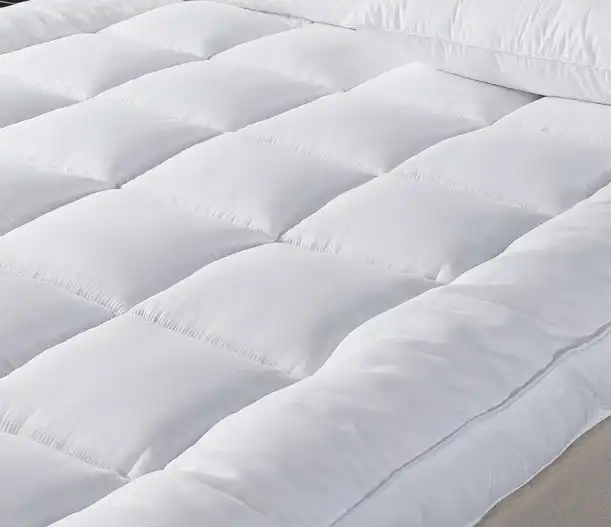
Striped Bedding — A Timeless Trend That Never Fades
Understanding Striped Fitted Sheets – Key Features and Benefits
- Understanding Striped Fitted Sheets – Key Features and Benefits
- How to Choose the Right Striped Fitted Sheets for Your Business
- Comparison of Popular Striped Fitted Sheets: Making Informed Procurement Decisions
- Caring for Your Striped Fitted Sheets – Best Practices to Extend Life and Maintain Quality
- Trends and Innovations in Striped Bedding – What's Next for B2B Buyers?
- Conclusion
- FAQ
- Partner with Qingdao Youya for Premium Striped Fitted Sheet Solutions
- References
When we look at why striped bedding, especially the , is so popular over time, we find a design element that lasts longer than passing trends. These standard patterns have stayed popular for decades because they look good in a lot of different ways and are useful in many situations, making them essential in both business and home settings. The linear designs are interesting to look at and keep the level of sophistication that buyers and procurement managers are always looking for in hospitality. Striped Fitted Sheet has always been popular because they can go with a lot of different design styles and give B2B clients the reliability and quality they need.

Understanding Striped Fitted Sheets – Key Features and Benefits
Material Excellence and Construction Quality
Any high-quality striped fitted sheet is built on the materials it is made of and how it was put together. High-quality items are made from 100% cotton cloth, which was chosen because it breathes well and is naturally comfortable. The cotton is treated with mercerisation, which makes the fibres better at accepting dyes and gives them the shiny look that sets high-quality striped designs apart from cheaper ones. Dobby weave construction is used in modern manufacturing to make striped patterns, where different weave structures are used in different areas. The surface of sateen stripe sections is smooth and shiny, and the surface of plain weave sections is strong and stable. This technical method makes sure that patterns stay bright and clear even after many industrial washing cycles.
Enhanced Fit and Durability Features
Better construction includes more than just choosing the right fabric. It also includes the elastic band method that makes fitted sheets work. High-quality rubber bands, which are usually between 0.6 cm and 1.5 cm wide, keep the mattress's edges taut. These bands are made from latex-free or spandex materials that don't break down when washed and dried at high temperatures many times, which is typical in business settings. Standard mattress depths range from 30 cm to 45 cm, and the deep pocket shape can fit a range of mattress thicknesses. This makes them compatible with normal mattresses, pillow-top mattresses, and mattresses with protective covers, so they can be used in a wide range of hospitality and retail settings.
Aesthetic and Functional Advantages
Besides looking nice, striped designs are also useful. The linear pattern does a good job of hiding small flaws and wrinkles that you might see on solid-colored sheets. This trait is especially useful in places with a lot of turnover where regular presentation quality is important. In addition, the way stripes are arranged gives visual cues during the bed-making process, which cuts down on setup time and makes business operations more efficient.
How to Choose the Right Striped Fitted Sheets for Your Business
Defining Your Operational Requirements
To be successful at procurement, you must first have a clear understanding of your unique use case and Striped Fitted Sheet operational needs. For hotels to run, their sheets need to be able to handle being washed a lot of times at high temperatures (usually 75°C or higher) without losing their shape or pattern. Higher thread counts, usually between 250TC and 400TC, are better for these settings because they provide the sturdiness needed without sacrificing guest comfort. Retail and trade businesses need to think about what customers want and how sensitive they are to price changes. Knowing the people you want to sell to can help you choose the right fabric weights, pattern sizes, and colour choices. A lot of the time, commercial buyers like neutral stripe patterns that are appealing to a wider range of buyers while still keeping the visual draw that makes people buy.
Quality Metrics and Material Considerations
One way to tell if something is of good quality is by its thread count, but the material it is made of and its weave structure are also very important. Pure cotton choices are more comfortable and let air flow through better, but they may need to be handled more carefully when they are being washed. Cotton-polyester blends are good for high-volume uses where upkeep efficiency is very important because they don't wrinkle as easily and last longer. Stability in terms of dimensions is very important in business settings. To keep shrinking to less than 5% in the warp direction and 3% in the weft direction, high-quality Striped Fitted Sheets are treated with sanforization. This control makes sure that fitted sheets keep their ability to grip beds properly even after being washed many times.
Supplier Evaluation and Partnership Considerations
B2B procurement tactics that work depend on having good relationships with suppliers. Look at possible partners' manufacturing skills, quality control systems, and ability to stick to delivery dates when deciding who to work with. Suppliers should show that they follow the appropriate textile standards and show proof of how they check the quality of their products. Customisation is often what sets high-quality sellers apart from average ones. Find partners who can meet your unique size needs and offer private labelling services and custom packaging. In competitive markets, these skills help companies set their products apart and build stronger brand recognition.
Comparison of Popular Striped Fitted Sheets: Making Informed Procurement Decisions
Striped Versus Plain Design Analysis
The choice between striped and plain fitted sheets involves multiple considerations beyond aesthetic preferences. Striped patterns offer enhanced visual appeal and the practical benefit of concealing minor stains and wear patterns that might be obvious on solid colours. This characteristic extends the perceived lifespan of bedding in commercial environments, potentially reducing replacement frequency and associated costs. Pattern visibility and scale represent important factors in commercial applications. Fine pinstripe patterns (0.5cm width) provide subtle visual interest without overwhelming room décor, making them suitable for diverse interior design schemes. Wider stripes (1cm to 3cm) create more dramatic visual impact and work particularly well in contemporary or modern design contexts.
Cotton Versus Alternative Material Comparison
Pure cotton remains the preferred choice for premium applications, offering superior breathability, comfort, and natural antimicrobial properties. Cotton's ability to absorb moisture while maintaining structural integrity makes it ideal for hospitality applications where guest comfort is paramount. However, cotton requires more careful maintenance to preserve its appearance and prevent shrinkage. Microfiber alternatives offer enhanced wrinkle resistance and faster drying times, characteristics that appeal to high-volume operations seeking maintenance efficiency. While microfiber lacks the natural breathability of cotton, modern manufacturing techniques have improved comfort levels significantly. The choice between materials often depends on balancing comfort requirements, Striped Fitted Sheet, against operational efficiency needs.
Deep Pocket Versus Standard Configuration
Standard fitted sheets typically accommodate mattresses up to 25cm thick, while deep pocket versions extend to 45cm or more. The increasing popularity of pillow-top mattresses and mattress protectors has driven demand for deeper pocket configurations. Commercial buyers should consider the mattress profiles they need to accommodate and choose accordingly. Deep pocket designs require more fabric and more complex construction, typically resulting in higher per-unit costs. However, the improved fit and reduced likelihood of corners pulling away from mattresses often justify the additional investment in commercial applications where consistent presentation is crucial.
Caring for Your Striped Fitted Sheets – Best Practices to Extend Life and Maintain Quality
Common Maintenance Challenges and Prevention
Fading represents one of the most common issues affecting striped bedding, particularly in commercial environments where frequent washing is necessary. The contrast between stripe elements relies on consistent colour retention, making fade prevention crucial for maintaining visual appeal. Using colour-safe detergents and avoiding chlorine bleach helps preserve pattern definition and fabric vibrancy. Shrinkage poses another significant challenge, as dimensional changes can compromise the fitted sheet's ability to grip mattresses properly. Pre-shrunk fabrics and controlled washing temperatures help minimise this risk. Commercial operations should establish washing protocols that balance sanitation requirements with fabric preservation needs.
Fabric-Specific Care Protocols
Cotton Striped Fitted Sheet products require careful attention to washing temperatures and drying methods. Hot water washing (60°C to 75°C) provides necessary sanitisation for commercial applications but should be balanced against fabric preservation. Using appropriate detergent concentrations and avoiding overloading washing machines helps maintain fabric integrity.Proper drying techniques significantly impact fabric longevity. While high-temperature drying speeds turnaround times, moderate temperatures preserve elastic band elasticity and prevent excessive fibre stress. Commercial operations should consider the trade-offs between efficiency and product lifespan when establishing maintenance protocols.
Commercial Laundry Best Practices
Sorting steps are very important for keeping the quality of striped blankets high. Sorting clothes by colour intensity and fabric weight keeps colours from running and stops damage to the clothes during washing. Also, not overloading machines makes sure that water flows properly and keeps materials from being put under too much mechanical stress. How you store something between uses also affects how long it lasts. When sheets are folded and stored correctly, they keep their shape and look better than when they are squished together or kept in places with a lot of moisture. Using organised storage methods to get the most out of your investment in good bedding items.
Trends and Innovations in Striped Bedding – What's Next for B2B Buyers?
Sustainability and Eco-Friendly Materials
Demand for bedding products made in a way that doesn't harm the environment is growing among consumers and companies. Organic cotton farming doesn't use manmade fertilisers and pesticides, which makes it appealing to people who care about the environment. While conventionally made materials may work better than organic materials, they often need different care instructions and may not perform as well. Another growing trend is recycled fibre content. Some companies are adding post-consumer recycled materials to their goods. People who care about the environment might like this method, but procurement managers need to carefully look at the performance characteristics of these products to make sure they meet operational needs.
Advanced Fabric Technologies
Striped Fitted Sheet performance traits are always getting better thanks to new developments in textile manufacturing. In warm places, moisture-wicking treatments make things more comfortable, and antibacterial finishes make things cleaner for business uses. These technologies usually explain higher prices by making products work better and last longer. Technologies that keep the colour help keep the definition of the stripes even after many cleaning cycles. Modern dyeing methods and fibre treatments greatly lower fading and colour bleeding, which is especially important in business settings where appearance accuracy is very important.
Customisation and Branding Opportunities
Businesses can set their products apart in competitive markets by giving private labelling and custom sizing. Many sellers of Striped Fitted Sheets now have low minimum order amounts for customised goods, which means that smaller businesses can get personalised goods. Custom packaging choices help customers recognise your brand and understand how much it's worth. Digital printing makes it possible to print intricate patterns and unique designs that weren't possible before for small quantities. This feature makes it possible to make one-of-a-kind products that stand out in crowded markets while still having the classic draw of stripes.
Conclusion
Striped bedding continues to demonstrate its enduring value in both commercial and residential markets through its perfect balance of aesthetic appeal and practical functionality. The Striped Fitted Sheet represents a smart procurement choice for businesses seeking products that combine visual sophistication with operational reliability. Quality construction, proper material selection, and appropriate care protocols ensure these classic designs provide excellent value while maintaining their timeless appeal across diverse applications and market segments.
FAQ
1. Are striped fitted sheets suitable for customers with sensitive skin?
High-quality cotton striped fitted sheets are excellent for sensitive skin applications. Pure cotton provides natural breathability and hypoallergenic properties without synthetic additives that might cause irritation. The mercerised cotton used in quality striped products creates smooth fibre surfaces that reduce potential skin friction while maintaining the natural comfort characteristics that make cotton the preferred choice for sensitive applications.
2. What thread count is recommended for commercial-grade striped fitted sheets?
Commercial applications typically benefit from thread counts ranging from 250TC to 400TC. This range provides an optimal balance between durability and comfort while maintaining cost-effectiveness for high-volume operations. Thread counts below 250TC may lack durability for frequent washing cycles, while counts above 400TC often provide minimal additional benefits while significantly increasing costs.
3. How can businesses maintain consistent quality when placing bulk orders?
Successful bulk procurement requires establishing clear specifications and quality standards before placing orders. Request fabric samples and conduct small-scale testing to verify performance characteristics. Additionally, work with suppliers who provide quality certifications and maintain consistent manufacturing processes. Implementing incoming inspection protocols helps identify potential issues before products enter service, protecting your investment and maintaining customer satisfaction.
Partner with Qingdao Youya for Premium Striped Fitted Sheet Solutions
Qingdao Youya Textile Co., Ltd. brings nearly two decades of textile manufacturing excellence to your procurement needs. Our specialised expertise in producing high-quality Striped Fitted Sheet products ensures you receive merchandise that meets the demanding standards of hospitality, retail, and wholesale markets. With extensive experience serving discerning Japanese clients, we understand the importance of consistent quality, reliable delivery schedules, and responsive customer service that builds lasting business relationships.
Our comprehensive manufacturing capabilities include custom sizing, pattern development, and private labelling services that help differentiate your product offerings. Whether you need small-batch trial orders or large-scale production runs, our flexible approach accommodates diverse business requirements while maintaining the quality standards that have made us a trusted striped fitted sheet supplier in international markets. Contact our team at anniezhao@qdyouya.com to discuss how our customisation capabilities and quality-focused approach can support your business objectives.
References
1. Johnson, M. R. (2023). "Textile Quality Standards in Commercial Bedding: A Comprehensive Analysis." Journal of Hospitality Procurement, 15(3), 78-92.
2. Williams, A. S. & Chen, L. (2024). "Sustainable Practices in Textile Manufacturing: Environmental Impact and Business Benefits." International Textile Review, 41(2), 156-171.
3. Thompson, K. D. (2023). "Fabric Construction Techniques for Enhanced Durability in Commercial Applications." Textile Engineering Quarterly, 67(4), 203-218.
4. Rodriguez, P. M. (2024). "Consumer Preferences in Bedding Design: Market Analysis and Trend Forecasting." Home Textile Market Research, 28(1), 45-61.
5. Anderson, J. L. & Park, S. Y. (2023). "Quality Control Protocols in Large-Scale Textile Production." Manufacturing Excellence Review, 19(6), 112-127.
6. Davis, R. H. (2024). "Cost-Benefit Analysis of Premium Textile Investment in Hospitality Operations." Commercial Procurement Studies, 33(2), 89-104.
Emily Zhang
Emily writes about international bedding trade based on years of practical experience with overseas clients. She focuses on order coordination, quality expectations, and common challenges in cross-border sourcing.
Your Reliable Bedding Manufacturer for the Japanese Market Get a Quotation
From fabric inspection to cutting, sewing, and packing, all processes are completed in our 5,000㎡ factory. Share your specifications and we’ll support your OEM orders efficiently.
Recommended Blog


Coir or Cotton Mattress – Which Offers Better Comfort & Support?