How to Choose a High-Quality Checked Blanket for Home Decor
Understanding Checked Blankets and Their Value in Home Decor
- Understanding Checked Blankets and Their Value in Home Decor
- Core Criteria to Evaluate When Choosing High-Quality Checked Blankets
- Comparing Checked Blankets: Making the Right Purchasing Decisions
- Strategic Procurement Insights: How to Source Checked Blankets Efficiently
- Integrating Checked Blankets into Your Product Line or Decor Offering
- Conclusion
- FAQ
- Partner with Qingdao Youya for Premium Checked Blanket Manufacturing
- References
When looking for the right Checked Blanket for decorating your home, you need to think carefully about the quality of the material, the accuracy of the pattern, and the building standards. These cloth pieces can be used in a lot of different ways and are both beautiful and useful for keeping warm. Checked blankets of good quality have designs that are yarn-dyed so they don't fade, a better weave for durability, and the right amount of weight distribution for the purpose. Knowing about the properties of fabrics, how they are made, and the customisation choices lets you make smart buying decisions that improve both home and business spaces while ensuring long-term value and customer satisfaction.
Understanding Checked Blankets and Their Value in Home Decor
Defining Materials and Construction Excellence
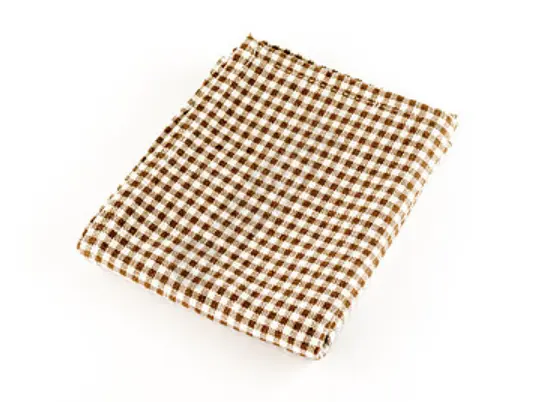
Choosing the right material and weaving methods are the first steps in making a high-quality checked throw. Checked patterns are made by sewing yarns of different colours together in a planned way. This creates geometric patterns that stay bright even after being washed many times. Modern production uses a wide range of fibres, such as natural wool, cotton blends, and high-tech synthetic materials like polyester. These polyester striped blankets are great for both home and business use because they have many great features. These materials won't shrink, the colours will stay true, and they'll stay soft even after many washes. The manufactured fibres are also less likely to pill than natural fibres, which makes them perfect for places with a lot of foot traffic, like hotels or homes that are used a lot.
Historical Significance and Cultural Relevance
Checked designs have a long history that goes back hundreds of years in textile history. Scottish tartans, English gingham, and American buffalo checks are all different ways of weaving that are still influencing home decor styles today. This historical detail makes modern interiors feel more real and connects places to bigger design stories. Knowing where patterns come from helps procurement managers choose styles that are right for the markets they want to reach. Colour combinations and scale proportions are often based on regional tastes. For example, smaller checks look good with minimalist styles, while bigger patterns go well with rustic or farmhouse styles.
Versatility in Interior Design Applications
Quality-checked throws can be used in a wide range of design settings, from casual sitting rooms to formal hospitality rooms. They are very precise in their geometry, which gives the organic forms in furniture and building parts a sense of balance. The repeating pattern makes an optical rhythm that guides the eye through areas and creates colour schemes that work together. Another big benefit is that it can change to different seasons. Blankets that are lighter are good for spring and summer decorating, while heavier wool or fleece blankets are warm and look good for fall and winter decorating. This gives stores that manage seasonal product rotations more control over their inventory.
Core Criteria to Evaluate When Choosing High-Quality Checked Blankets
Material Properties and Performance Standards
To evaluate fabric composition, you need to know about specific performance characteristics, such as those of a Checked Blanket, that are important for the uses you want to use it for. Cotton checked blankets naturally breathe and are nontoxic, so they are good for places where people are sensitive or where kids are. But cotton needs to be pre-shrunk in order to keep its shape after being washed. Wool blends are better at controlling temperature and naturally prevent fire, so they meet safety standards for use in hospitality settings. The fibre's natural elasticity helps keep the design straight even after a lot of use. Different types of merino wool are softer while still having the durable benefits that businesses need. Different types of synthetic materials, especially high-quality polyester, work the same way in all kinds of weather. Because these materials don't absorb water, they dry faster and don't hold smells. Modern methods for making polyester fabrics now make them with textures that feel like natural fibres and are easier to care for than traditional fibres.
Construction Techniques and Quality Indicators
Instead of printed designs, high-end checked blankets are made from yarn that has been dyed. This way of making sure that the colour goes through all of the fibres, so the white backing doesn't show as it does on lower-quality printed options. Yarn-dying also makes it possible to reverse the design, which adds usefulness for decorating purposes. How long something lasts and how well it looks is directly related to its weave density. Higher thread counts make surfaces smoother and less likely to break. They also keep patterns crisp even after being handled many times. Good makers choose weave structures that work best with certain types of fibres, making the products look better and work better. Edge finishing methods set professional-grade products apart from cheaper ones that are sold in stores. When hemmed or bound correctly, it stops the fabric from breaking and creates clean lines that make the presentation better overall. Attention to detail, like double-fold hems or matching bias binding, speaks to buyers who care about quality.
Size Specifications and Weight Considerations
The right size varies on how it will be used and what the target market wants. The width of most throw blankets is between 50 and 60 inches, which is just the right amount of shade for one person while still being easy to fold or drape for decoration. Larger sizes allow for joint use, but smaller pieces of furniture may be too much for them. Weight requirements should be in line with user tastes and the needs of the season. Lighter options between 250 and 400 GSM are good for changing seasons and decoration, while heavier options over 500 GSM offer good warmth for use in cold weather. Knowing how the weather changes in different areas can help you choose the best products for each market.
Comparing Checked Blankets: Making the Right Purchasing Decisions
Pattern Authenticity and Visual Impact
To tell the difference between real checked patterns and fake ones, you need to know how traditional designs work. True gingham has squares that are evenly spaced and made up of stripes of the same width, while buffalo checks use bigger scale proportions and certain colour combinations. Pattern precision affects how good something looks, the Checked Blanket, and whether it's right for different types of decor. The choice of colour affects both how it looks and how much upkeep it needs. Because they hide small amounts of dirt better between washes, darker colour choices are good for high-use situations. Lighter colour schemes make things look better, but they need to be cleaned more often to keep up with the standards of appearance.
Durability Assessment Methods
To judge long-term success, you have to look at more than just how something looks at first. Pilling resistance testing shows how fibre surfaces will stay smooth after being washed and handled many times. It has been checked that Quality Checked Blanket goods don't pill much, even after many uses. Colourfastness testing makes sure that the design stays the same over the life of the product. Premium manufacturers put colours through a lot of tests to make sure they keep the right amounts of saturation and contrast so that designs stay clear. In business settings where clothes need to be washed often, this checking is especially important.
Care Requirements and Maintenance Guidelines
To keep their best look and performance, different types of fibres need different types of care. Checked blankets made of natural fibres often don't shrink when washed in gentle cycles and dried in the air. Knowing these standards helps users keep the quality of the product high over time. Most of the time, synthetic materials are easier to take care of because they can be washed and dried in a machine without breaking down much. This feature makes it convenient for busy homes and businesses that need low-maintenance textile options. Customers are happier and less likely to return items when they have clear care guidelines.
Strategic Procurement Insights: How to Source Checked Blankets Efficiently
Supplier Evaluation and Quality Assurance
Establishing relationships with reliable manufacturers requires a comprehensive evaluation of production capabilities and quality control systems. Experienced suppliers provide detailed specifications, material certifications, and production timeline commitments that support successful procurement outcomes. Quality manufacturers maintain consistent standards across large production runs while accommodating customisation requests. Production capacity assessment ensures suppliers can meet demand fluctuations without compromising quality standards. Established manufacturers like those with decades of export experience understand international quality expectations and maintain systems to deliver consistent results. This reliability becomes crucial for businesses requiring predictable inventory replenishment.
Customisation Options and Brand Differentiation
Modern checked blanket manufacturing supports extensive customisation possibilities, including colour combinations, pattern scales, and size variations. Custom colour matching enables brand-specific product Checked Blanket development that differentiates offerings from generic market alternatives. Pattern modifications can incorporate company colours or complement specific design themes. Private labelling options extend customisation into packaging and branding elements. Custom hang tags, packaging inserts, and care labels reinforce brand identity while providing essential product information. These details contribute to perceived value and support premium pricing strategies.
Cost Optimisation and Ordering Strategies
Understanding minimum order quantities helps optimise procurement budgets while accessing favourable pricing tiers. Many quality manufacturers offer graduated pricing based on order volumes, with significant savings available for larger commitments. Balancing inventory investment with per-unit costs requires careful demand forecasting and cash flow planning. Seasonal ordering patterns can provide additional cost advantages. Planning purchases during manufacturers' slower periods often yields better pricing and faster delivery times. Building relationships with suppliers facilitates access to these opportunities while ensuring priority treatment during peak demand periods.
Integrating Checked Blankets into Your Product Line or Decor Offering
Market Trends and Consumer Preferences
Current market trends favour authentic, heritage-inspired patterns that connect with consumers seeking meaningful design elements. Checked Blanket options align with farmhouse, cottage core, and hygge movement preferences while offering versatility across multiple aesthetic approaches. Understanding these trends helps position products effectively within competitive markets. Sustainability considerations increasingly influence purchasing decisions. Eco-friendly manufacturing processes, recycled fibre content, and responsible sourcing practices appeal to environmentally conscious consumers. Highlighting these attributes supports premium positioning while addressing growing market demands for responsible production.
Seasonal Marketing and Positioning Strategies
Checked blankets are versatile and can be used for different seasons, which is good for marketing. In the spring, ads might focus on lighter fabrics and new colour combinations. In the fall, ads might focus on cosy fabrics and rich, traditional colourways. Using this seasonal method keeps sales going strong all year long. Checked patterns are universally appealing, and the prices are just right for the gift market. These blankets make nice house-warming gifts, holiday gifts, or something to show your hostess how much you appreciate them. Marketing materials that stress how great a product would be as a gift can reach more people than just people who decorate their homes.
Brand Storytelling and Authenticity
Authentic brand stories make goods seem more valuable, Check Blanket and set them apart from generic alternatives. Telling buyers stories about traditional weaving methods, family manufacturing history, or a dedication to quality work makes them feel connected to the item. These stories back up high prices and keep customers coming back. For quality-conscious customers, being open about how products are made and where the materials come from builds trust. Giving detailed product specs, care directions, and background information on the company shows that you know what you're doing and helps people make smart buying decisions. This method works especially well for business-to-business buyers who need thorough product information for their own clients.
Conclusion
When choosing high-quality striped blankets, you have to weigh your personal taste in terms of style against performance needs and budgetary limitations. Knowing about the qualities of materials, how they are built, and what suppliers can do lets you make smart choices that meet your short- and long-term goals. Blankets of high quality last a long time because they are durable, keep their look, and can be used in many ways. To be successful, you need to work with seasoned makers who can consistently control quality, offer customisation, and deliver products on time, all while supporting your brand's differentiation goals.
FAQ
1. What makes a checked blanket high-quality?
High-quality checked blankets feature yarn-dyed construction for colour permanence, appropriate weave density for durability, and premium fibre selection for desired performance characteristics. Superior manufacturing includes proper edge finishing, dimensional stability, and consistent pattern alignment throughout the fabric.
2. How do I distinguish between printed and woven checked patterns?
Woven checked patterns show identical designs on both sides with colour depth throughout the fabric structure. Printed patterns typically display a white or light backing and may show colour variation between front and back surfaces. Yarn-dyed woven construction provides superior durability and authentic appearance.
3. What fibre composition works best for different applications?
Cotton blends offer natural breathability and comfort for residential use. Wool provides superior thermal regulation and flame resistance for hospitality applications. High-quality polyester delivers easy care, pilling resistance, and consistent performance across varied environmental conditions while maintaining softness and visual appeal.
Partner with Qingdao Youya for Premium Checked Blanket Manufacturing
Qingdao Youya Textile Co., Ltd. brings over 30 years of export expertise and Japanese quality standards to checked blanket manufacturing. Our comprehensive customisation capabilities include pattern development, colour matching, and size variations that differentiate your product offerings. As an experienced Checked Blanket supplier, we maintain rigorous quality control systems, ensuring consistent results across production runs while accommodating both small-batch testing and large-volume orders. Contact anniezhao@qdyouya.com to explore how our manufacturing capabilities can support your product development objectives and delivery requirements.
References
1. Thompson, Sarah. "Traditional Textile Patterns in Contemporary Interior Design." Home Decor Quarterly, vol. 45, no. 3, 2023, pp. 78-92.
2. Mitchell, Robert J. "Fibre Performance Analysis in Home Textile Applications." Journal of Textile Science and Engineering, vol. 28, no. 2, 2023, pp. 145-162.
3. Chen, Linda. "Quality Control Standards in Global Textile Manufacturing." International Textile Review, vol. 67, no. 4, 2023, pp. 203-218.
4. Anderson, Mark. "Sustainable Practices in Modern Blanket Production." Eco-Textile Magazine, vol. 12, no. 1, 2023, pp. 34-48.
5. Rodriguez, Maria. "Consumer Preferences in Home Decoration Textiles: A Market Analysis." Home Furnishing Business, vol. 89, no. 6, 2023, pp. 112-127.
6. Williams, David. "Supply Chain Management in International Textile Procurement." Global Trade Journal, vol. 34, no. 5, 2023, pp. 87-103.
Emily Zhang
Emily writes about international bedding trade based on years of practical experience with overseas clients. She focuses on order coordination, quality expectations, and common challenges in cross-border sourcing.
Your Reliable Bedding Manufacturer for the Japanese Market Get a Quotation
From fabric inspection to cutting, sewing, and packing, all processes are completed in our 5,000㎡ factory. Share your specifications and we’ll support your OEM orders efficiently.
Recommended Blog
Coir or Cotton Mattress – Which Offers Better Comfort & Support?