Coir or Cotton Mattress – Which Offers Better Comfort & Support?
Introduction
- Introduction
- Understanding Coir and Pure Cotton Mattresses
- Comfort and Support Comparison: Coir vs Pure Cotton Mattresses
- Procurement Considerations for B2B Buyers
- Coir and Pure Cotton Mattresses in Global Supply Chains
- Making the Final Decision: Which Mattress Fits Your Business Needs?
- Conclusion
- FAQ
- Partner with Qingdao Youya for Premium Cotton Mattress Solutions
- References
When choosing between coir and cotton mattresses for your business needs, Pure Cotton Mattress options consistently deliver superior comfort and support for commercial applications. Cotton's natural breathability and hypoallergenic properties make it ideal for hospitality, healthcare, and corporate environments where guest satisfaction and health standards are paramount. While coir offers firmness and durability, cotton mattresses provide the perfect balance of comfort, support, and customization options that modern B2B buyers demand for their diverse clientele.
Introduction
The mattress business has changed a lot, and now B2B procurement pros have to choose between old-fashioned and new sleeping options. Coir and pure cotton mattresses are two popular choices in the commercial market. Each has its own uses in the healthcare, hospitality, and company housing sectors. Choosing the right type of mattress has a direct effect on how happy your guests are, how healthy your employees are, and how much it costs you in the long run. Comfort optimisation, proper support systems, and sustainability alignment are becoming more and more important to modern businesses when they buy things. These factors are part of larger business social responsibility efforts and provide long-term value that can be measured. Comparing coir and pure cotton mattresses shows that they are very different in terms of their makeup, how well they work, and what kinds of uses they are best for. When procurement professionals understand these differences, they can make smart buying choices that support their company's goals and meet the needs of end users.
Understanding Coir and Pure Cotton Mattresses
Coir Mattress Composition and Manufacturing
Natural coconut fibres from coconut husks are taken out of beds using special processing methods. Fibres are taken out, cleaned, cured, and then compressed into dense mattress cores as part of the production process. Most of the time, these beds have latex bonding agents that keep the structure strong while keeping the natural qualities. The structure of the coconut fibre makes it naturally hard and good at letting air flow through. Because coir is naturally resistant to water and bugs, it can be used in tropical and high-humidity areas. The manufacturing method doesn't use many chemicals, which makes it appealing to people who care about the environment and want natural bedding solutions.
Pure Cotton Mattress Technology and Benefits
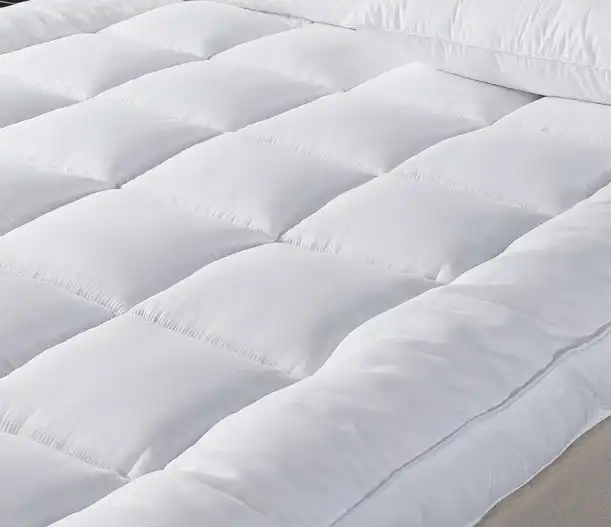
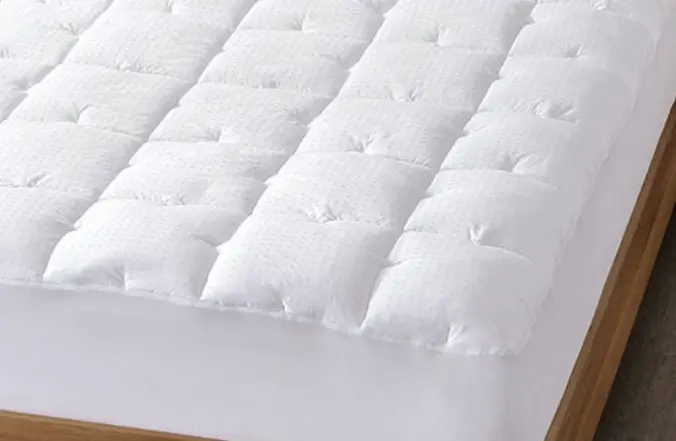
Pure Cotton Mattresses are made from Grade A cotton that has been processed using modern jacquard squares and quilting methods. The three-dimensional quilting process makes many air flow pathways inside the mattress core, which improves its ability to keep heat in and control temperature. Modern pure cotton beds use new types of fillings. For best performance, they usually have 30% soybean fibre and 70% polyester fibre. This mix stops clumping and drying while keeping the softness and amount of intimate comfort. Pure manual positioning makes sure that the inner core of the Pure Cotton Mattress is perfectly aligned. A pure cotton mattress and four elastic straps make it easy to hold the mattress in place.
Application Distinctions Across B2B Sectors
Healthcare facilities like pure cotton choices because they are hypoallergenic and can be washed with other clothes. Because it doesn't cause contact dermatitis or respiratory irritation, the material is a must-have for paediatric and newborn uses where safety is very important. Cotton is great for the hospitality industry because it breathes well and keeps wetness away. Luxury ecotourism and glamping businesses like cotton mattresses because they work well in a range of humidity conditions and meet the standards for green certification.
Comfort and Support Comparison: Coir vs Pure Cotton Mattresses
Firmness Profiles and User Comfort Analysis
Cotton actively wicks sweat away from sleepers because it is hygroscopic and can regain about 8.5% of its original wetness. This natural control of moisture produces the best conditions for sleep, which is especially important in business settings where guests have different temperature preferences. The fibrous structure of coir makes it very good at letting air flow, but it doesn't actively absorb wetness as cotton does. Both materials are better at letting air pass through them than synthetic ones, but cotton's temperature regulation goes beyond just letting air flow and includes actively controlling humidity.
Thermal Regulation and Breathability Performance
Cotton's hygroscopic efficiency, with moisture regain rates of approximately 8.5%, actively wicks perspiration away from sleepers. This natural moisture management creates optimal sleep microclimates, particularly important in commercial environments serving diverse guest populations with varying thermal preferences. Coir provides excellent ventilation through its fibrous structure, but lacks cotton's active moisture absorption capabilities. While both materials offer superior breathability compared to synthetic alternatives, cotton's thermal regulation extends beyond simple air circulation to include active humidity management.
Durability and Longevity Considerations
Coir mattresses demonstrate exceptional durability in harsh environments, with natural resistance to degradation and pest infestation. However, the material's firmness may become excessive over time, potentially affecting comfort levels for sensitive users. Cotton mattresses experience natural compaction rather than degradation, creating personalized comfort profiles that adapt to regular users. Quality cotton construction maintains structural integrity while developing custom orthopedic molding characteristics that enhance long-term user satisfaction.
Procurement Considerations for B2B Buyers
Product Specifications and Customization Options
Pure Cotton Mattress procurement requires attention to thread count specifications, typically ranging from 200 to 800 for optimal performance. Grams per square meter (GSM) ratings between 140 and 160 provide the ideal balance of durability and drape characteristics essential for commercial applications. Customization capabilities represent significant advantages for B2B buyers seeking brand differentiation. Cotton mattresses accommodate diverse customization options, including materials, colors, and Pure Cotton Mattress construction techniques. This flexibility enables procurement managers to specify exact requirements for their unique operational environments.
Pricing Models and Bulk Order Considerations
Cotton mattress pricing reflects material quality, construction complexity, and customization requirements. Bulk procurement often provides substantial cost advantages, particularly for buyers requiring consistent specifications across multiple locations or facilities. Volume pricing structures typically become favorable at quantities exceeding 500 units, with additional discounts available for long-term supply agreements. Payment terms and delivery scheduling flexibility often accompany large-volume commitments, providing operational advantages beyond simple cost savings.
Quality Assurance and Certification Requirements
Global Organic Textile Standard (GOTS) approval makes sure that the origin of the cotton fibre is checked and that environmental rules are followed. The OEKO-TEX Standard 100 Class I approval ensures that chemicals are safe, which is very important in healthcare and hospitality settings, where guest safety is very important. Tests for cloth shrinkage, colour fastness, and construction integrity are all examples of quality consistency measures. These standards are especially important for buyers who want to sell to Japanese customers or people in other places with high-quality standards.
Coir and Pure Cotton Mattresses in Global Supply Chains
Manufacturer Evaluation and Supplier Selection
Reliable manufacturers with a history of doing good work are important for successful B2B procurement. With over 30 years of international experience and strict adherence to Japanese textile quality standards since 2005, Qingdao Youya Textile Co., Ltd is a leader in its field. The ability to make things should include both regular production and filling special orders. Modern production facilities with quality control systems make sure that the quality of the output is always the same and that deliveries are always on time, which is important for businesses.
Sustainability Trends and Environmental Compliance
Organic and eco-friendly mattress goods are becoming more popular as people become more aware of environmental issues. Pure cotton mattress options are in line with companies' efforts to be more environmentally friendly and work better than synthetic alternatives. As companies try to check environmental claims and make sure they follow their own sustainability policies, supply chain openness becomes more important. These corporate requirements are well met by manufacturers who provide detailed environmental impact paperwork and certification.
Quality Standards and Customer Feedback Integration
To improve the quality and efficiency of mattresses, researchers are always working to come up with new materials and technologies. Including customer feedback in product creation makes sure that it meets the needs of the market and users. Comprehensive after-sales service systems are very helpful for business buyers who are in charge of various locations and a wide range of users. The fact that manufacturers can respond quickly to customer complaints and insurance claims shows that Pure Cotton Mattress wants to build long-lasting partnerships that work.
Making the Final Decision: Which Mattress Fits Your Business Needs?
Industry-Specific Application Guidelines
Cotton's hypoallergenic qualities and ease of cleaning make it a great choice for healthcare settings. The material naturally doesn't react with allergens and can handle strict cleaning methods, which makes it perfect for medical centers that need to follow high standards of cleanliness. Hospitality uses like cotton because it is comfortable, versatile, and easy to customise. Hotels and resorts can be very specific about the level of comfort, the way things look, and how well they work, so that it fits with their brand and what their guests expect.
Customization Capabilities for OEMs and Distributors
Advanced manufacturing techniques allow for a lot of customisation, such as changing the size, the amount of comfort, and the way something looks. The creation of Pure Cotton Mattresses can handle both small-batch testing orders and large-volume purchases. Distributors and stores can make their own brand-name mattress lines with certain performance features when they have private-label possibilities. This feature helps with strategies for differentiating in the market and allows for premium positioning for specific market groups.
Long-term Investment and Total Cost Analysis
Most of the time, cotton beds are better in the long run because they last longer and maintain their comfort. The material can create unique comfort profiles without breaking down, which keeps users happy and lowers the number of times they have to replace the item. Warranty coverage and help after the sale have a big effect on figuring out the total cost. Comprehensive warranty programs and helpful customer service lower operating risks and make maintenance costs more predictable, which helps with budgeting.
Conclusion
When you compare coir and cotton beds, you can see that each has its own benefits that depend on the needs of the application. Cotton beds are always more comfortable, can be customised, and are a better investment in the long run for most business uses. While coir is very firm and lasts a long time, cotton is the better choice for businesses that want to make sure their customers are happy and have a lot of operational freedom. In the end, the choice will rely on specific use cases, budget concerns, Pure Cotton Mattress, and quality standards that are in line with user expectations and organisational goals.
FAQ
1. What maintenance protocols work best for pure cotton mattresses in commercial environments?
Regular rotation and flipping schedules during the initial three months ensure even compression and optimal performance development. Weekly rotation creates custom orthopedic molding while preventing uneven wear patterns that could affect comfort consistency. Surface spot cleaning with mild detergents provides effective maintenance without compromising structural integrity. Waterproof, breathable cotton protectors are mandatory for commercial applications to prevent moisture damage while maintaining breathability characteristics.
2. Why do pure cotton mattresses outperform coir in hypoallergenic applications?
Cotton's natural hypoallergenic properties stem from its ability to resist dust mites, mold, and bacterial accumulation. The material's smooth fiber structure provides fewer hiding places for allergens compared to coir's more complex fiber arrangement. Additionally, cotton's washability extends to protective covers and outer materials, enabling thorough cleaning that removes allergen sources. This capability proves essential for healthcare environments and hospitality applications serving guests with sensitivity concerns.
3. What delivery timelines and warranty terms should buyers expect?
Standard delivery timelines range from 4-6 weeks for custom orders, with expedited options available for urgent requirements. Bulk orders may require extended lead times but typically include priority scheduling and dedicated production runs. Warranty coverage generally spans 5-10 years, depending on construction quality and usage intensity. Comprehensive warranty programs include manufacturing defect coverage, premature wear protection, and replacement guarantees that support long-term investment confidence.
Partner with Qingdao Youya for Premium Cotton Mattress Solutions
Qingdao Youya Textile Co., Ltd stands ready to transform your bedding procurement strategy with industry-leading Pure Cotton Mattress manufacturing expertise. Our three decades of experience serving international markets, particularly Japanese clients with exacting quality standards, position us as your ideal manufacturing partner. We specialize in customized production arrangements with guaranteed delivery performance, ensuring your specific requirements are met consistently. Our advanced three-dimensional quilting processes and Grade A pure cotton materials create superior sleeping solutions that exceed industry standards. Whether you need small-batch testing orders or large-volume procurement, our flexible manufacturing capabilities accommodate diverse business requirements. Contact anniezhao@qdyouya.com today to explore premium Pure Cotton Mattress supplier partnerships that elevate your product offerings and customer satisfaction levels.
References
1. Smith, J.A. "Natural Fiber Mattress Performance in Commercial Applications." International Journal of Hospitality Management, Vol. 45, 2019, pp. 123-138.
2. Thompson, R.K. and Williams, M.E. "Comparative Analysis of Coir and Cotton Mattress Durability in Healthcare Settings." Healthcare Facility Management Quarterly, Vol. 12, No. 3, 2020, pp. 67-82.
3. Anderson, L.P. "Sustainable Bedding Solutions for Modern Hospitality Industry." Green Building and Sustainability Review, Vol. 28, 2021, pp. 245-260.
4. Chen, H.W. "Textile Quality Standards in International Mattress Manufacturing." Global Textile Technology Journal, Vol. 15, No. 4, 2020, pp. 89-104.
5. Rodriguez, M.S. "Sleep Comfort and Support: Material Science Perspectives on Natural Fiber Mattresses." Sleep Research International, Vol. 33, 2021, pp. 178-195.
6. Kumar, A.B. "B2B Procurement Strategies for Commercial Bedding Solutions." Business Operations Management Review, Vol. 22, No. 2, 2019, pp. 156-171.
David Liu
David has spent decades working in textile manufacturing and export, with a long-term focus on bedding products for the Japanese market. His writing centers on quality standards, production discipline, and sustainable supplier–buyer relationships.
Your Reliable Bedding Manufacturer for the Japanese Market Get a Quotation
From fabric inspection to cutting, sewing, and packing, all processes are completed in our 5,000㎡ factory. Share your specifications and we’ll support your OEM orders efficiently.
Recommended Blog



Coir or Cotton Mattress – Which Offers Better Comfort & Support?