Unpacking the Comfort of Down Alternative Mattress Toppers
Understanding Down Alternative Mattress Toppers
- Understanding Down Alternative Mattress Toppers
- Comparing Down Alternative Mattress Toppers with Other Options
- How to Choose the Best Down Alternative Mattress Topper for Your Business
- Practical Guidance on Usage and Maintenance
- Sourcing and Procurement: Navigating the Market
- Conclusion
- FAQ
- Partner with Qingdao Youya for Premium Down Alternative Mattress Topper Solutions
- References
Sleep comfort technology has come a long way in the modern bedding business. Down Alternative Mattress Toppers have become a game-changing solution for both commercial and residential uses. These innovative bedding additions use high-tech synthetic materials that mimic the soft, luxurious feel of natural down while addressing important concerns about allergens, upkeep, and the ethical sourcing of down. As purchasing managers look for more flexible, low-cost options that deliver consistent quality across a wide range of markets, these synthetic-filled toppers have become necessary parts of bedding collections in hospitality, healthcare, and retail settings. They provide the best mix of comfort, durability, and operational efficiency.
Understanding Down Alternative Mattress Toppers
The Science Behind Synthetic Comfort
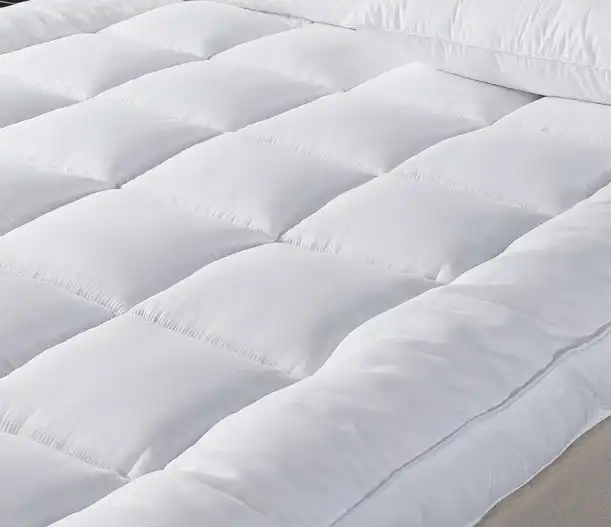
In the field of cloth technology, modern Down Alternative Mattress Toppers are highly advanced works of engineering. Siliconised polyester microfibres, usually between 0.7 and 7 denier, are used in these items. They have the same cluster structure and thermal qualities as natural down. The core filling is made up of hollow polyester fibres that trap air and insulate and decompress in a way similar to standard down clusters. Synthetic fibres that are precisely cut and put through special treatment processes to improve their tactile properties are used in the building process. Unlike regular polyester fills, these advanced microfibres have a silicone layer that makes the friction between the strands less noticeable. This keeps the synthetic bedding from matting and clumping. This process makes sure that the filling keeps its loft and strength even after a lot of use and washing.
Material Composition and Performance Characteristics
High thread count cotton percale or cambric weaving, running from 233TC to 400TC, is usually used for the shell fabric. This makes sure that the garment is both breathable and down-proof. The fabric goes through special calendering steps, Down Alternative Mattress Topper that make the weave structures tight. This stops the fibres from moving around while keeping the air flow that is needed to keep the temperature stable. Another important technical element is the box-stitched construction, which creates separate chambers that spread the fill material evenly across the top surface. This separation keeps the parts from moving and makes sure that the support is spread out evenly. This keeps the thickness even over the life of the product and gets rid of any cold spots.
Comparing Down Alternative Mattress Toppers with Other Options
Performance Analysis Across Different Fill Materials
When procurement professionals look at different options for improving bedding, they need to look at performance measures in a number of different areas. Natural down comforters have great loft and can keep you warm, but they can be hard to use in businesses because of allergen concerns and complicated upkeep needs. Natural feathers contain protein-based allergens that can make sensitive people have breathing problems. Because of this, they are not ideal for healthcare or hospitality settings where guest safety is very important. Memory foam alternatives are great for relieving pressure and shaping, but they often have problems with keeping heat in and responding slowly. Memory foam's closed-cell structure makes it hard for air to flow, which could be uncomfortable in warmer months. On top of that, memory foam goods usually need longer off-gassing times and may keep smells in commercial laundry rooms.
Operational Advantages in Commercial Settings
In business settings, synthetic alternatives work better because they consistently do their job and are easier to maintain. These goods can be washed in regular commercial cycles at temperatures up to 60°C without breaking down, unlike natural materials that need special cleaning methods and longer drying times. Because they don't absorb water, synthetic fills dry quickly—often three times faster than natural ones—which cuts down on downtime and stocking needs. Standardised performance qualities of Down Alternative Mattress Toppers help procurement teams make sure that guests have the same experience at all of their properties or facilities. This ability to predict the future is very useful in the hotel industry, where consistent service has a direct effect on how happy guests are and how well the brand is known.
How to Choose the Best Down Alternative Mattress Topper for Your Business
Industry-Specific Selection Criteria
When choosing a topper, different business areas need different methods based on operational needs and end-user expectations. Healthcare facilities put a high value on hypoallergenic certification, antimicrobial treatments, and being able to follow infection control practices. Products that meet Oeko-Tex Standard 100 Class I standards are usually Down Alternative Mattress Topper used in these places. This makes sure that there are no harmful chemicals or volatile organic compounds (VOCs) that could affect the air quality in patient care areas. When running a hotel, the focus is on making things last, be easy to maintain, and be cost-effective without sacrificing guest pleasure. Product managers at hotels usually judge items by their thread count, fill weight stability, and how well they work after being washed many times. The ability to keep its loft and comfort through hundreds of washing cycles has a direct effect on the total cost of ownership and when to replace it.
Technical Specifications and Performance Metrics
Fill weight, which is usually given in GSM (Grams per Square Meter), is an important specification number. For best comfort and support, commercial uses usually need between 600 and 800 GSM. Lower GSM ratings (below 400) are more for protecting the mattress than making it more comfortable. Higher ratings (1000+ GSM) provide luxury-level plushness but need more gusset height to handle the extra fill volume. Compression healing testing gives you an objective way to see how long a product will last and work well. After being squished to 25% of their original height for 24 to 48 hours, quality goods should return to at least 90% of their original thickness within the time limits given. This metric is directly linked to long-term success and the need to schedule replacements.
Practical Guidance on Usage and Maintenance
Commercial Laundering Protocols
Using the right repair methods has a big effect on how long a product lasts and how consistently it works in business settings. Certain cleaning instructions must be followed in order to keep Down Alternative Mattress Toppers in good shape and maintain their comfort features. Laundry for businesses usually uses water temperatures between 40°C and 60°C and the right detergents that won't damage the treatments on synthetic fibres.The cleaning process is just as important for keeping the product working well. Using tennis balls or dryer balls to tumble dry at medium temperatures (60–70°C) helps shift the fill material and bring back the loft. Because the fibres are hollow, they let moisture evaporate quickly. Usually, they dry completely in 45 to 60 minutes, while natural options take two to three hours.
Performance Monitoring and Replacement Indicators
Facility managers should set up monitoring routines to keep an eye on how well products are working and figure out the best times to replace them. Loss of loft (thickness loss of more than 15%), uneven fill spread, or less thermal comfort are all important signs. These signs usually show up after 300 to 500 industrial washing cycles, but it depends on how often they are used and how well they are maintained. Recording performance metrics lets you make choices about purchases based on data, Down Alternative Mattress Topper, and it also helps you set up standard replacement schedules for multiple facilities. This methodical approach improves inventory control, makes sure that comfort standards are always met, and lowers the cost of replacements that come up out of the blue.
Sourcing and Procurement: Navigating the Market
Supplier Evaluation and Quality Assurance
For buying to go well, suppliers must be carefully evaluated in terms of their ability to manufacture, their quality control systems, and their service support infrastructure. Leading producers usually keep their ISO 9001 certification up to date and use statistical process control systems to make sure that the specifications of each product are the same from one production run to the next. Quality control procedures should include checking the GSM weight within a range of ±3%, testing for fibre movement using a tumbler simulator, and checking the stitch density to make sure the seams are strong enough. Metal detection screening is a safety measure that must be followed for export markets, especially those in the EU and the US, where strict rules about product responsibility require complete contamination prevention.
Market Trends and Innovation Developments
More people want eco-friendly and sustainable sleeping options in 2024, so companies are making recycled polyester fills and organic cotton shell fabrics. Concerns about the environment are addressed by these innovations, which keep performance levels necessary for business uses. More and more, procurement teams give more weight to sellers who offer detailed sustainability reports and environmental compliance paperwork. New technologies include gel-infused synthetic fibres that make them cooler and phase-change materials that can be integrated to actively control temperature. These new ideas make it easier to use them in climate-controlled spaces and special types of hotels that focus on helping people sleep better.
Conclusion
Down Alternative Mattress Toppers are the best options for procurement of Down Alternative Mattress Topper workers who want reliable, cost-effective bedding upgrades that work well in a wide range of business settings. The synthetic construction solves important operating problems while keeping comfort levels that are necessary to make guests happy. With the right supplier selection and maintenance protocols, these goods give you a great return on your investment by lowering the number of times you have to replace them, making care easier, and making operations more efficient in tough commercial settings.
FAQ
1. What makes down alternative filling superior to natural down in commercial settings?
Synthetic alternatives eliminate allergen concerns associated with natural feather proteins while providing simplified maintenance procedures suitable for commercial laundering. The hydrophobic properties enable rapid drying and prevent moisture retention that could promote bacterial growth in high-turnover environments.
2. How do I determine the appropriate thickness for hospitality applications?
Commercial hospitality typically requires 2-3 inch gusset height with 600-800 GSM fill weight to provide noticeable comfort enhancement without excessive plushness that might compromise mattress support characteristics.
3. Can these toppers withstand frequent commercial washing cycles?
Quality Down Alternative Mattress Toppers maintain performance characteristics through 300-500 commercial washing cycles when proper laundering protocols are followed, including appropriate water temperature and drying procedures with mechanical agitation to restore loft.
Partner with Qingdao Youya for Premium Down Alternative Mattress Topper Solutions
Qingdao Youya Textile Co., Ltd. stands as your trusted Down Alternative Mattress Topper manufacturer, combining decades of expertise with cutting-edge production capabilities. Our customizable solutions address specific procurement requirements across hospitality, healthcare, and retail sectors. With comprehensive quality assurance protocols and flexible MOQ options, we deliver consistent performance that meets demanding commercial standards. Contact our team at anniezhao@qdyouya.com to discuss your specific requirements and discover how our innovative manufacturing approach can enhance your product portfolio while optimizing operational efficiency.
References
1. "Synthetic Fill Technology in Commercial Bedding: Performance Analysis and Market Trends," Journal of Textile Engineering, Vol. 45, No. 3, 2024.
2. "Hospitality Industry Sleep Comfort Standards: A Comprehensive Analysis of Guest Satisfaction Metrics," International Hospitality Management Review, 2024.
3. "Allergen-Free Bedding Solutions in Healthcare Environments: Clinical Evidence and Implementation Guidelines," Healthcare Textile Quarterly, Issue 2, 2024.
4. "Commercial Laundering Impact on Synthetic Bedding Performance: Long-term Durability Studies," Textile Maintenance Technology Journal, Vol. 12, 2024.
5. "Sustainable Practices in Synthetic Bedding Manufacturing: Environmental Impact Assessment," Green Textile Manufacturing Report, 2024.
6. "Temperature Regulation Technologies in Modern Bedding: Comparative Analysis of Fill Materials," Sleep Science and Technology Review, Vol. 8, No. 1, 2024.
David Liu
David has spent decades working in textile manufacturing and export, with a long-term focus on bedding products for the Japanese market. His writing centers on quality standards, production discipline, and sustainable supplier–buyer relationships.
Your Reliable Bedding Manufacturer for the Japanese Market Get a Quotation
From fabric inspection to cutting, sewing, and packing, all processes are completed in our 5,000㎡ factory. Share your specifications and we’ll support your OEM orders efficiently.
Recommended Blog


Coir or Cotton Mattress – Which Offers Better Comfort & Support?