What Makes a Quilted Fitted Bed Sheet More Comfortable?
Understanding Quilted Fitted Bed Sheets: What Sets Them Apart?
- Understanding Quilted Fitted Bed Sheets: What Sets Them Apart?
- Core Factors That Enhance Comfort in Quilted Fitted Bed Sheets
- How to Choose the Most Comfortable Quilted Fitted Bed Sheet for Your Business Needs
- Caring for Quilted Fitted Bed Sheets to Maintain Comfort and Longevity
- Market Insights: Trusted Brands, Latest Innovations, and Procurement Opportunities
- Conclusion
- FAQ
- Partner With Qingdao Youya for Premium Quilted Fitted Bed Sheet Solutions
- References
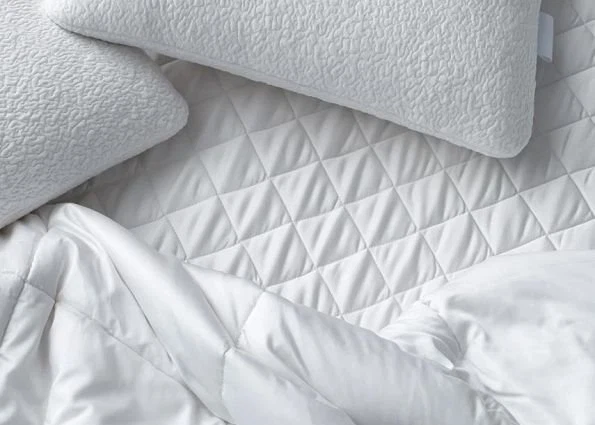
A quilted fitted bed sheet is very comfortable because it has quilted fitted bed sheet three layers: a soft face fabric made of cotton, bamboo, or microfiber; an insulating middle layer made of polyester batting or hollow fiber; and a stable backing. The layers are held together by quilting designs. This technology makes tiny air holes that keep the temperature even, cushion pressure points, and stop the movement that happens with regular toppers. The built-in elasticized skirt keeps the sheet firmly in place, keeping the mattress's softness constant throughout the night. It also protects against germs and bacteria, which extends the mattress's life.
Understanding Quilted Fitted Bed Sheets: What Sets Them Apart?
How do you understand quilted fitted bed sheets? What makes them different? The quilted fitted bed sheet is a smart step forward in bedding materials because it combines protection with better sleep comfort. Unlike regular flat sheets, which only cover the top of the mattress, this product is engineered to solve real-world issues with sleep quality.
The Structural Innovation Behind Quilted Fitted Sheets
The method of layer lamination is what makes it unique. The layer that touches the sleeper's skin directly is the face cloth, which can be made of smooth microfiber, long-staple cotton, or rayon from bamboo. The stuffing layer, which usually has a weight between 100GSM and 200GSM for home use, is below this. It gives the mattress its signature padded feel. The backing cloth, which is usually a non-woven or soft weave, gives the structure strength. These layers are joined together by automatic stitching patterns like box stitching or diamond quilting. These designs stop fibers from moving and keep the loft level the same across the whole surface.
Material Selection and Its Impact on Sleep Experience
The choice of material and how it affects sleep includes types of clothing made of cotton that naturally breathe and soak up wetness, making them good for hot areas or people who sweat at night. Microfiber choices are hypoallergenic and very soft, and they are cheaper, which makes them appealing to procurement managers who are watching their budgets. Fabrics made from bamboo have antibacterial properties and are good for the environment, which appeals to brands that care about the environment. The choice of base material has a similar effect on performance. Hollow conjugated fiber makes better insulation without adding too much weight, and recycled polyester batting meets environmental standards, a quilted fitted bed sheet without lowering sturdiness in industrial laundry rooms.
Core Factors That Enhance Comfort in Quilted Fitted Bed Sheets
Comfort in bedding comes from being able to measure its physical qualities and carefully putting it together. When procurement experts know about these factors, they can match product specs with what the target market wants.
Quilting Techniques and Their Influence on Sleep Quality
Traditional needle-and-thread stitching is used in thread quilting to make raised patterns on the fabric's surface. This method makes the loft higher, which lets more air flow and gives the fabric a soft, cloud-like feel. The padding is spread out based on the stitch spacing, which is usually 4 to 6 inches between rows. Support is stronger when the stitches are closer together, and softer when they are farther apart. Heat-fusion technology is used in ultrasonic pinsonic sewing to join layers together without needles going through them. This method stops fiber migration better and makes movement quiet, which is very important in healthcare settings where moving fabrics can wake up patients who are sleeping. When TPU layers are added, the lack of needle holes also makes the protection better.
Functional Features That Address Specific Market Needs
Anti-dust mite finishes or naturally resistant materials like bamboo are used in hypoallergenic treatments. These places are appealing to healthcare centers and people who live in their own homes who have breathing problems. Some waterproof versions have a TPU fabric between the stuffing and backing layers. This makes a barrier that lets air pass through but doesn't let water in. This app is used in two different types of places: dining settings that need to deal with spills and assisted living homes that need to deal with incontinence issues. The quilted top layer pulls wetness away from the surface, so vinyl covers don't make your hands feel sticky. Technologies that control temperature are the newest and most cutting-edge of new ideas. Phase-change materials that are woven into the stuffing layers take in extra body heat when it's warm and let it go when it cools down. This keeps the weather just right during sleep cycles for the quilted fitted bed sheet.
How to Choose the Most Comfortable Quilted Fitted Bed Sheet for Your Business Needs
For strategic sourcing to work, the features of the quilted fitted bed sheet must match the needs of the business and the interests of the end customer. The framework for making decisions should include more than just the original unit cost as a review criterion.
Assessing Durability for Long-Term Value
Products used in businesses need to be able to handle heavy use and harsh cleaning methods. High-temperature water (160–180°F), alkaline detergents, and high-speed extraction processes are used in industrial laundry, quilted fitted bed sheet which puts more stress on materials than normal home washing. In these conditions, thread quality is very important. Spun polyester threads hold up better against wear and tear than cotton threads. To keep seams from tearing, they should be sewn together with two needles and strengthened with bartack edges. The stuffing layer's GSM (grams per square meter) shows how dense the fill is. A 150GSM grade gives the cushioning needed for hotel use, and the form stays the same after 200+ washes. Products that say they are commercial-grade, durable should show proof of their performance from ASTM D4970 (abrasion resistance) and AATCC Test Method 61 (colorfastness to washing) tests.
Balancing Cost Efficiency With Quality Standards
Finding a balance between quality standards and low costs is essential. Without looking at lifetime costs, price per unit doesn't tell you much. A $15 quilted fitted bed sheet that needs to be replaced after 50 washes costs $0.30 per use, while a $25 unit that lasts 200 washes costs $0.125 per use, which is a 58% savings despite the higher starting cost. Different suppliers have very different price systems for volume orders. Minimum order quantities (MOQs) have an effect on unit economics. For example, a manufacturer that needs 3,000-piece minimums may give 22% savings on orders of 500 pieces, but this means that smaller businesses have to pay more to store their goods and have trouble with their cash flow. Custom pattern creation costs are usually between $300 and $800 per design, and they are spread out over multiple production runs. When e-commerce sellers are trying to understand how the market responds, suppliers who offer 200-500-piece trial orders without special tooling charges are helpful, even if it means that the cost per unit is 15–18% higher at first.
Caring for Quilted Fitted Bed Sheets to Maintain Comfort and Longevity
Proper repair schedules keep products working well and increase the time between replacements, which has a direct effect on the total cost of ownership in business settings for the quilted fitted bed sheet.
Optimal Washing and Drying Procedures
The best ways to wash and dry clothes include temperature settings that match the instructions for the fabric's makeup. Blends of cotton and polyester can be washed in warm water (105–110°F) with normal amounts of soap. Cold water washing helps pure cotton clothes not shrink as much, but enzyme-based soaps are needed to get rid of all the dirt. When washing machines are too full, the mechanical action is less effective, and they can't rinse properly, leaving behind soap residue that breaks down cloth fibers. Front-loading commercial washers should work at 60 to 70% of their capacity. There is more danger in drying cycles than in cleaning processes. High heat sets wrinkles and makes stuffing clump together in sewn items. Medium heat with an auto-shutoff feature that senses wetness keeps the loft and feeling of the cloth. Using wool dryer balls to tumble dry helps move the batting around and cuts drying time by 15 to 20 percent. Line drying gets rid of heat damage, but it takes longer to process, which can cause problems in places with a lot of guests.
Extending Service Life Through Strategic Usage Practices
Strategic usage practices can help extend the life of a service. Instead of putting all the wear on one item, rotation methods spread it out over several pieces. A three-sheet cycle plan cuts down on the use of each unit by 66%, which could triple its lifespan. This method needs a bigger expense at the start, but it pays off in the long run. Incidents should be dealt with right away in stain cleaning methods. Instead of pushing, blotting keeps stains from getting into the batting layers. Spot solutions that use enzymes to break down protein and organic stains don't use harsh chemicals. Inspections done on a regular basis find small problems before they get worse. Stitching threads that are coming loose should be cut and fixed right away. Bar-tack stitching can be used to fix small holes in skirt elastic, which will make it last for months longer. These preventative steps lower the number of early replacements that happen, which hurts the profit margins of healthcare and leisure businesses.
Market Insights: Trusted Brands, Latest Innovations, and Procurement Opportunities
The global sleeping goods market is still changing because of new materials and efforts to be more environmentally friendly. Procurement experts can make smart choices about where to buy quilted fitted bed sheets in the future if they know what the latest trends are.
Leading Manufacturers and Quality Benchmarks
Established providers set themselves apart by having stable quality processes, quilted fitted bed sheets, and customer service that responds to needs. Companies that have ISO 9001 approval show that their production processes and quality control procedures are uniform. Those with WRAP or BSCI certifications offer the ethical sourcing guarantee that stores in Europe and North America are looking for more and more. Japanese market sellers have very strict rules about colorfastness and physical stability, which are often higher than the international minimums. China's production bases are cheaper, but the standard of goods made in Tier 1 coastal factories with new equipment is very different from those made in inland facilities with old technology. Factory checks should look at how old the equipment is, whether there is quality testing equipment available, and how stable the skilled staff is. Qingdao Youya Textile Co., Ltd. is a great example of how to focus on quality in order to compete in the tough foreign market. Since 2005, the company has focused on exporting to Japan, following strict textile standards that go above and beyond what is expected for basic production.
Navigating Bulk Procurement and Customization Options
You can save a lot of money by buying in bulk, but you have to plan ahead carefully. Optimizing the load of containers has a huge effect on the cost of shipping each unit. A 40-foot high-cube container can hold between 8,000 and 10,000 units, depending on how tightly the sheets are packed. On trans-Pacific lines, freight costs are $0.60 to $0.80 per unit. Moving things by LCL costs two to three times more per unit. Customization options depend on how sophisticated the provider is. Logo stitching or printed labels are basic customizations that usually cost an extra $0.30 to $0.50 per unit, with 500-piece minimums. Full pattern customization takes bigger orders of 2,000 to 3,000 pieces, but it makes your product stand out in a crowded store market. Quickness and cost-effectiveness are both important in lead time management. Standard items are sent out within 15 to 25 days, but special orders take 45 to 65 days. Air freight shortens the travel time but raises the cost by 400–600%, so it should only be used for emergency stock replenishments.
Conclusion
Quilted fitted bed sheets are more comfortable than flat sheets because of smart engineering decisions that address real sleep quality issues. The three-layer design controls temperature, relieves pressure points, and protects the mattress reliably all at the same time. The people who work in procurement have to compare quilting methods, fabric composition, thread count, and useful features to operating needs and the tastes of the target market. Lifecycle cost analysis, which includes laundering tolerance and replacement intervals, is part of figuring out how durable something is. Following the right maintenance steps will keep a product working well, and forming smart partnerships with quality-focused manufacturers will make sure that you always have access to unique goods. The market keeps growing thanks to eco-friendly materials, protective technologies, and the integration of smart textiles, which opens up new ways to compete.
FAQ
1. How do quilted fitted sheets compare to regular fitted sheets in durability?
Because they are made of more than one layer, quilted fitted sheets last longer in business settings. The stuffing layer protects the face cloth from wear by absorbing mechanical stress during washing. After 80 to 120 wash cycles, regular fitted sheets start to thin and tear because they put all the wear and tear on one layer of cloth. If you take good care of your quality quilted options, they can last 200 rounds or more, but over time, the stuffing will lose its loft due to compression.
2. What certifications should I verify when sourcing these products?
Oeko-Tex Standard 100, which checks for chemical safety and says that direct skin touch goods don't contain any harmful substances, is an important approval. Getting ISO 9001 approval means that you follow a set of steps to control quality. According to ASTM D4970 tests, comments about abrasion protection for business use are true. Versions that are waterproof should have hydraulic pressure values (usually at least 3,000mm). Antimicrobial effectiveness testing according to ISO 22196 standards is needed for suppliers who want to sell to healthcare markets to show that their products kill germs.
3. How can I verify supplier authenticity and product quality before large orders?
Instead of carefully prepared showroom examples, ask for real samples that show how the product will actually be made. Test examples at a third-party lab to see if they meet the stated qualities, like thread count, GSM, and shrinkage rates. During factory audits, output capacity, equipment state, and quality control systems are all checked. Ask for client recommendations from people in your target market, preferably ones who have similar needs. Check that the business is registered and that it has an export license by using official government records before you pay the deposit.
Partner With Qingdao Youya for Premium Quilted Fitted Bed Sheet Solutions
Brands and stores looking for a reliable quilted fitted bed sheet seller will find great value at Qingdao Youya Textile Co., Ltd. Because we focus on Japanese market standards, we can be sure that our goods meet the highest quality standards in the bedding business around the world. We know the biggest problems foreign buyers face when they try to buy things: inconsistent quality, unreliable delivery times, and minimum order amounts that can't be changed. Our customization options meet the needs of both OEM and ODM customers, so you can make unique goods that set your brand collection apart. We can work with both new e-commerce sellers and known hospitality providers because our MOQ choices are open enough to let you test the market, and our price structures are competitive for large orders. Contact our experienced export team at anniezhao@qdyouya.com to talk about your unique needs and get full quotes with clear prices.
References
1. Sleep Foundation Research Institute. "The Impact of Bedding Materials on Sleep Quality and Thermal Comfort." Journal of Sleep Science and Practice, 2021.
2. American Textile Manufacturers Institute. "Technical Standards for Commercial-Grade Bedding Products." ATMI Quality Guidelines, 2022.
3. International Sleep Products Association. "Consumer Preferences in Bedding Comfort Factors: A Multi-Market Analysis." ISPA Research Report, 2023.
4. Textile Research Journal. "Comparative Analysis of Quilting Techniques and Their Effects on Fabric Performance." Volume 92, Issue 7, 2021.
5. Hotel and Hospitality Procurement Association. "Best Practices for Bedding Product Selection and Lifecycle Management." HHPA Industry White Paper, 2022.
6. Global Organic Textile Standard Organization. "Sustainability Certifications in Bedding Textiles: Implementation and Verification." GOTS Technical Manual, 2023.
Michael Zhou
Michael writes about fabric selection, process optimization, and quality consistency in bedding manufacturing. His content is based on hands-on experience from sampling through mass production.
Your Reliable Bedding Manufacturer for the Japanese Market Get a Quotation
From fabric inspection to cutting, sewing, and packing, all processes are completed in our 5,000㎡ factory. Share your specifications and we’ll support your OEM orders efficiently.