Quilted Fitted Bed Sheet for Softness and Mattress Protection
Understanding Quilted Fitted Bed Sheets – Features and Benefits
- Understanding Quilted Fitted Bed Sheets – Features and Benefits
- How to Select the Best Quilted Fitted Bed Sheets for Your Business Needs
- Care and Maintenance for Maximizing Longevity and Performance
- Top Rated Quilted Fitted Bed Sheets for 2026 – Product and Price Comparisons
- Procurement Best Practices and Decision Making for B2B Clients
- Conclusion
- FAQ
- Partner with Qingdao Youya for Premium Quilted Fitted Bed Sheet Solutions
- References
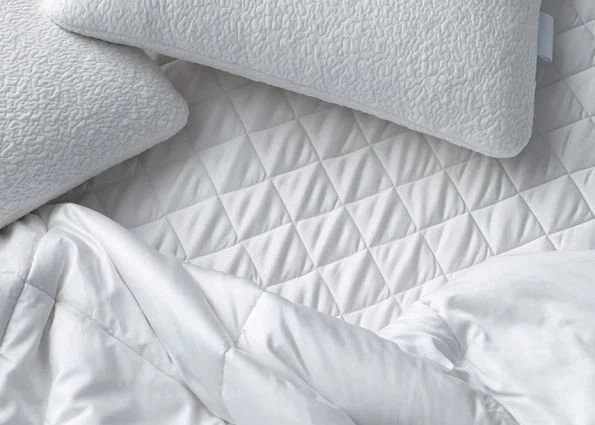
A quilted fitted bed sheet is a stylish way to cover your bed that combines comfort with practicality by protecting your mattress. This hybrid fabric has three useful layers: a soft face fabric, an insulating middle fill, and a protected backing. The three layers are held together by precise quilting designs and an elasticized skirt. Unlike regular fitted sheets that just cover the mattress surface, these engineered textiles solve important problems in the industry: they keep the mattress from shifting while it's being used, add thermal comfort without being too bulky, make a barrier that keeps the mattress clean and extends its life, and improve the quality of the sleep surface by smoothing out bumps. Professionals in business-to-business procurement see these sheets as smart investments that strike a balance between operating efficiency and patient or guest happiness.
Understanding Quilted Fitted Bed Sheets – Features and Benefits
The way these special sheets are made makes them different from other sleeping choices. At the heart of it is a three-layer sandwich structure that provides both comfort and security.
Multi-Layer Construction Technology
The face cloth is usually made of cotton, bamboo, microfiber, or poly-cotton mixes, which are chosen because they are soft on the skin and last a long time. Thread counts, which run from 200TC to 600TC, have a direct effect on how smooth the surface is and how long it lasts. The middle layer is made up of polyester stuffing, hollow conjugated fiber, or natural cotton fill. The weight of this layer is given in grams per square meter (GSM). Standard versions have 100–150GSM filling, while winter-grade versions have 200GSM or more to keep you warmer. The backing layer can be made of knitted cloth or non-woven materials, and for waterproofing purposes, it may be laminated with TPU (Thermoplastic Polyurethane). Mechanical stitching, such as single-needle lockstitch or multi-needle chain stitch, or ultrasonic welding, which doesn't leave needle holes, is used to join these parts together.
Elasticized Skirt Engineering
The tight skirt is made of 2-way or 4-way stretch knit fabric that can stretch more than 90% of its length. This engineering makes sure that it stays attached to beds that are 12 to 21 inches deep without using corner straps that can cause pressure spots or problems with coming loose. The 360-degree elasticized design stops the toppers from moving around like regular ones do, so the surface stays smooth even when they're being used hard. This combined design gives commercial buyers a lot of benefits. The quilted layer stops skin desquamation and sweat absorption, which makes the mattress last longer. Hotels say that replacing mattresses every seven years instead of every five years saves them a lot of money. Healthcare centers like the quiet moving features better than vinyl covers because they keep patients from waking up during the night. Residential markets that are climate-controlled, like the thermal quilted fitted bed sheets, have regulation features that lower heating costs in the winter.
How to Select the Best Quilted Fitted Bed Sheets for Your Business Needs
For procurement choices to be made, success must be systematically evaluated across a number of dimensions. Long-term happiness and financial returns depend on how well product specs match operating needs.
Material Composition Analysis
Cotton types naturally let air pass through and remove moisture, making them good for mild temperatures and situations where skin sensitivity is important. Microfiber options are durable and don't dirty easily, and they're cheaper, making them a good choice for high-traffic restaurant settings. Fabrics made from bamboo are antifungal and eco-friendly, which makes them a good choice for brands that care about the environment. Poly-cotton blends keep clothes from getting wrinkled while also being comfortable. This saves money on work costs in business washing operations. The choice of filling material affects both how well it keeps heat in and how much care it needs. Polyester batting keeps its loft even after being washed many times, which is why it is the standard choice for commercial buyers. Hollow conjugated fiber makes the surface feel soft without adding too much bulk. It does this by increasing insulation while lowering weight. Organic-certified businesses like natural cotton fills, but they need to be carefully laundered so that the fibers don't bunch up.
Supplier Evaluation Criteria
During times of high demand, the ability to send goods has a direct effect on how reliable the service is. Manufacturers with a monthly capacity of 50,000 units or more protect against supply outages. MOQ (minimum order quantity) flexibility is what sets sellers who can take 200–500 unit trial orders apart from those who need contracts for 3,000 or more units. In competitive markets, OEM personalization options like pattern design, fabric choice, and logo packing make it possible for products to stand out. Checking for quality consistency means looking at samples before they are made, making sure the colors don't run according to ISO 105-C06 rules, and making sure the sizes don't change after being washed. Japanese textile quality standards require suppliers to show that they have process control methods that keep defect rates below 0.5%. Clear lead times and penalties for late shipping help keep buying plans safe, especially for planning seasonal inventory.
Care and Maintenance for Maximizing Longevity and Performance
The total cost of ownership and the number of replacement rounds are directly affected by how well upkeep is done. Care methods for commercial uses need to keep useful qualities while also working with industrial laundry environments.
Washing Protocol Optimization
Managing temperature strikes a balance between the need for cleanliness and the need to protect fabrics. Washing quilts in cold or warm water at 40°C to 60°C keeps the stitching intact and gets rid of enough dirt for most uses. Products made with pre-shrunk fabrics and heat-resistant stitching can be washed at 75 to 85°C in healthcare areas that need to be cleaned with heat. Alkalinity levels in store-bought cleansers should stay below pH 11 to keep fibers from breaking down and colors from fading. Machine processes that are gentle or permanent are better for quilted structures because they lower mechanical stress. When washers are overloaded, they don't clean as well, and the rubber parts wear out faster. Keeping the wash loads at 75% of their stated capacity, quilted fitted bed sheets increase the life of the machine and make it cleaner.
Troubleshooting Common Wear Issues
Migration of bats shows up as thin spots or uneven surface roughness. This problem is less of a problem if you choose items with sewing designs that are tighter, with diamond spacing of less than 4 inches. Ultrasonic sewing completely stops migration, but it costs more at first. After 6 to 12 months of daily use, elastic failure shows up as corners that aren't tight. High-end items with commercial-grade fabric can go through 200 or more wash cycles before they need to be replaced. When TPU splits from the backing fabric, which usually happens after being exposed to too much heat or strong chemicals, this is called waterproof layer delamination. If you buy goods with mechanically bound lamination instead of a sticky connection, they will last longer and be waterproof. Pilling on microfiber surfaces can be cut down by using the Martindale method to test fabrics before they are bought and choosing fabrics that can handle more than 30,000 rubs before they start to break down significantly.
Top Rated Quilted Fitted Bed Sheets for 2026 – Product and Price Comparisons
The market is split into different price and performance levels that serve different business needs. Figuring out where something fits in these areas helps you make a choice that fits your price and meets your quality standards.
Budget-Conscious Options Under $30
Microfiber face materials with 100GSM polyester batting and basic elasticized skirts are used in entry-level goods. These sheets work well in places with low humidity and a modest amount of cleaning. It should last between 50 and 75 washes before you can see any wear. Vacation rentals, low-cost hotel parts, and private guest rooms are some of the uses. When you buy more than 500 units at once, the price per unit usually drops to between $18 and $24, which makes the profit margin more viable in areas where prices are competitive.
Customization and Private Label Advantages
OEM makers let you change the pattern, add your own label, and make your own package arrangements. Customization sales with a minimum of 500 to 1,000 units are common. This lets e-commerce sellers and private label owners set their brands apart. Design freedom includes picking specific sewing designs, picking from more than 200 different fabric sources, and adding names through embroidery or printed labels. Custom production takes between 30 and 45 days, so you need to plan ahead for holiday launches or marketing efforts.
Procurement Best Practices and Decision Making for B2B Clients
Strategic buying is more than just comparing prices. It also includes managing relationships with suppliers, following quality control rules, and making sure that business goals are met.
Application-Specific Selection Strategies
Durability and ease of washing are important in the hospitality industry, so microfiber and poly-cotton mixes with strengthened stitching are the best options. Guest satisfaction polls show that soft surface textures are linked to how much people think something is worth, which is a good reason to buy mid-range products instead of cheap ones. Healthcare buyers put a lot of weight on fluid barrier performance and antibacterial qualities. This means that TPU-laminated versions must meet infection control standards. E-commerce brands that sell to people who live in their own homes benefit from using natural fibers and talking about sustainability. They choose organic cotton or bamboo, which builds even better. Seasonal stocking planning affects when to buy things. In areas with cold climates, higher GSM winter versions are ordered between August and October. In moderate climate regions, features stay the same all year. By predicting changes in demand, businesses can avoid running out of stock during busy booking times in the hotel industry and holiday sales spikes in retail.
Supplier Partnership Development
Long-term ties with suppliers have benefits that go beyond negotiating the best price at the start. Established partnerships quilted fitted bed sheets allow for fluid changes to the MOQ to accommodate market testing, priority scheduling of production when capacity is limited, and joint product development that includes performance feedback. Suppliers who invest in relationship longevity talk to their customers ahead of time about changes in the prices of raw materials, plans for seasonal capacity, and new ideas in the industry. As a relationship grows, its quality assurance systems change. For first sales, a third party must do a full check at the 100% examination level. Proven source performance lets you switch to AQL 2.5 statistical sampling methods, which lowers the cost of inspections while keeping quality assurance high. Setting up clear processes for documenting defects, such as using photos and measures, makes it easier to solve problems quickly when they happen.
Certification and Compliance Verification
The Oeko-Tex Standard 100 approval checks that all the chemicals used in the cloth production process are safe. This is especially important for medical and child use. Organic standards like GOTS (Global Organic Textile Standard) back up claims that natural fibers were used, which helps with the environmental angle. If a provider is certified by the ISO 9001 quality management system, it means they are committed to controlling the process and making it better all the time. Asking for proof documents when vetting a seller lowers the risk of not following the rules and helps achieve quality assurance goals. Before making big promises, testing methods make sure that efficiency claims are true. Testing the longevity of batting through 50 to 100 rounds of washing shows how it holds its shape, keeps its color, and loses its elasticity. Testing a waterproof shield with hydrostatic pressure shows that it meets the requirements for fluid resistance. Evaluation of dimensional stability finds shrinkage rates that help with size design choices.
Conclusion
In conclusion, when choosing the right quilted fitted bed sheets for different situations, you have to think about comfort, safety, sturdiness, and cost. Technical knowledge of building methods, material qualities, and performance traits helps people make smart purchasing choices that meet the needs of their businesses. When you evaluate suppliers based on a wide range of factors, such as their production capacity, ability to customize, and quality consistency, you can build relationships that will help your business succeed in the long run. Care and upkeep instructions that are designed to work best in industrial laundry rooms extend the life of products and keep them working properly. When you buy these things together in a strategic way, you get measured value in the form of longer-lasting mattresses, happier customers, and an edge in the market.
FAQ
1. Can quilted fitted bed sheets replace dedicated mattress protectors?
Quilted sheets with built-in TPU waterproof layers work about as well as separate mattress covers at keeping liquids out while also making the mattress more comfortable. Products that meet ASTM F1670 standards should be used in healthcare settings that need complete impermeability. Standard quilted sheets that don't have a waterproof back can keep out moisture well enough for general protection, but they can't completely block out wetness.
2. What thread count delivers optimal durability without high cost?
Thread counts between 250 and 400TC are a good compromise between smoothness on the surface and durability in laundry at a reasonable price. Counts above 600TC give the wood a nice feel in your hand, but they don't last as long in business settings. Lower numbers below 200TC hurt the quality of the surface and may make pilling more likely.
3. How effective are these sheets at reducing allergen exposure?
Tightly woven face fabrics and padded construction create physical hurdles that make it harder for dust mites to get into the inside of mattresses. Chemical allergens are kept to a minimum in products that meet Oeko-Tex Class I guidelines. Regular washing at temperatures above 55°C gets rid of allergens that have built up on cloth surfaces, making hypoallergenic products work better.
Partner with Qingdao Youya for Premium Quilted Fitted Bed Sheet Solutions
Qingdao Youya Textile Co., Ltd. has been exporting high-quality quilted fitted bed sheets for more than 30 years and meets strict international quality standards. Our production facilities, which have been around since 2005, follow Japanese standards for cloth quality. This makes sure that the products are built precisely, work consistently, and last a very long time. We are experts at OEM and custom solutions that meet the needs of a wide range of businesses, from e-commerce companies trying small batches of 200 to 500 units to large-scale hotel and healthcare companies producing over 5,000 units. Consistency in quality and the ability to make changes quickly give us a competitive edge. Our skilled professionals can provide you with custom solutions that fit your market positioning, whether you need specific GSM fill weights, unique quilting patterns, waterproof TPU integration, or branded package setups. Our stable supply chain keeps your inventory planning safe, and our guaranteed shipping schedules keep the problems that come up with quilted fitted bed sheet sellers that aren't as well-known. Connect with Annie Zhao at anniezhao@qdyouya.com to talk about your unique buying needs, ask for an evaluation of a sample, or look into chances for custom product development. Find out how our dedication to producing high-quality goods and providing quick service can help your business grow.
References
1. American Hotel & Lodging Association. (2023). Bedding Standards and Lifecycle Management in Commercial Hospitality Operations. Washington, DC: AHLA Educational Institute.
2. Healthcare Textile Services Association. (2024). Infection Control Guidelines for Healthcare Linens and Mattress Protection Systems. Hallandale Beach, FL: HTSA Publications.
3. International Sleep Products Association. (2023). Mattress Longevity and Protection: Impact of Barrier Technologies on Asset Lifecycle. Alexandria, VA: ISPA Research Division.
4. Journal of Textile Engineering. (2023). "Comparative Analysis of Quilting Techniques on Thermal Insulation and Durability Performance in Multi-Layer Bedding Textiles." Volume 68, Issue 4, pp. 215-228.
5. Oeko-Tex International. (2024). Standard 100: Testing Criteria and Certification Requirements for Textile Products with Direct Skin Contact. Zurich, Switzerland: Oeko-Tex Association.
6. Procurement Strategies Institute. (2023). Best Practices in B2B Textile Sourcing: Quality Assurance and Supplier Relationship Management. Chicago, IL: PSI Press.
Emily Zhang
Emily writes about international bedding trade based on years of practical experience with overseas clients. She focuses on order coordination, quality expectations, and common challenges in cross-border sourcing.
Your Reliable Bedding Manufacturer for the Japanese Market Get a Quotation
From fabric inspection to cutting, sewing, and packing, all processes are completed in our 5,000㎡ factory. Share your specifications and we’ll support your OEM orders efficiently.