Quilted Fitted Bed Sheet for All-Season Sleep Comfort
Understanding Quilted Fitted Bed Sheets: Features and Benefits
- Understanding Quilted Fitted Bed Sheets: Features and Benefits
- How to Measure, Fit, and Maintain Quilted Fitted Bed Sheets
- Comparing Quilted Fitted Bed Sheets with Other Bedding Options
- Procurement Considerations for B2B Clients
- Why Choose Quilted Fitted Bed Sheets: Value Proposition and Future Trends
- Conclusion
- FAQ
- Partner with Qingdao Youya for Premium Quilted Fitted Bed Sheet Solutions
- References
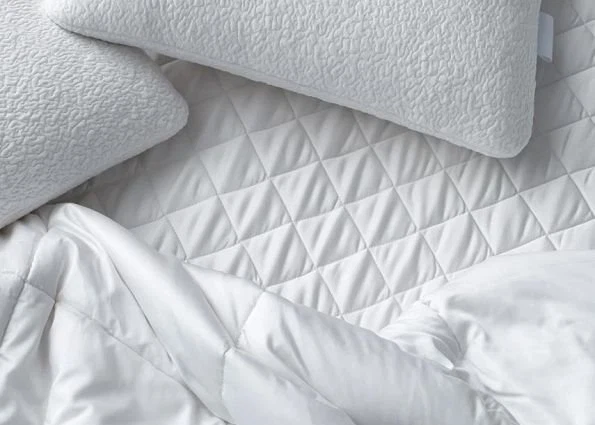
The quilted fitted bed sheet is a new quilted fitted bed sheet and a unique way to make modern bedding. It is designed to provide consistent comfort all year long and solve important practical problems in both home and business settings. This special fabric has three layers: a face fabric, an insulating fill, and a backing material. It is held in place by an elasticized skirt that goes all the way around beds of different thicknesses. The quilted pattern provides thermal air areas that naturally control temperature, so you don't have to worry about wearing too many layers in the winter or being too hot in the summer. This bedding option can be used by procurement managers, buyers in the hospitality industry, and e-commerce sellers who want long-lasting, flexible goods that make guests happier while lowering the number of times they need to be replaced and the cost of upkeep.
Understanding Quilted Fitted Bed Sheets: Features and Benefits
Quilted bedding solves certain problems that come up in places with a lot of change, like hotels, hospitals, and rental homes. It does this by combining useful engineering with practical design. The building method is very different from regular fitted sheets because it has more than one layer.
Three-Layer Construction Technology
The layer coating method is what makes this product work. The top layer is usually made of cotton, microfiber, or materials made from bamboo. The thread counts range from 200TC to 600TC, which is the right amount of softness and sturdiness. In the middle layer of insulation, polyester batting or hollow conjugated fiber is used. The GSM (grams per square meter) ranges from 100GSM to 300GSM, depending on the time of year. The bottom layer is made up of non-woven or soft-weave fabrics that keep the structure strong without making it less breathable. This stacked method stops the movement that happens with loose mattress toppers. Traditional pads move around while you use them, which can be uncomfortable and means you have to keep adjusting them. The built-in stretchy skirt structure, which uses 2-way or 4-way stretch knit, keeps the skirt from moving around even when it's being used in high-friction situations.
Hygiene Barrier and Mattress Protection
These sheets are the main defense against the epidermis losing its top layer, sweating through, and allergens building up. Because the quilted surface puts some space between users and the mattress core, deep mattress cleaning doesn't have to be done as often in business settings. This makes capital assets last longer, which is very important for hotels that spend a lot of money on good beds. Specialized versions with TPU (Thermoplastic Polyurethane) lamination between the fill and backing layers are good for healthcare and assisted living centers. This arrangement handles incontinence problems while keeping a soft, breathable surface that keeps decubitus sores from forming, unlike hard plastic covers that are painful, quilted fitted bed sheets, and cause skin to become rough.
How to Measure, Fit, and Maintain Quilted Fitted Bed Sheets
Product performance and life are directly affected by how well specifications are matched and how well care instructions are followed. This is especially true in business laundry rooms where industrial washing equipment is used.
Dimensional Specifications and Pocket Depth
Three important measurements are needed to get an accurate mattress measurement: the length, the width, and the depth. Most mattresses are 10 to 18 inches deep, but pillowtop and memory foam mattresses can be more than 20 inches deep. The skirt must be able to adjust to these changes without being too tight or too open. For deep pocket choices, the skirt heights are usually 15, 18, or 21 inches. Purchasing managers should measure from the top of the mattress to the bottom edge, plus two inches, to make sure the mattress is tucked in securely. The skirt's elongation recovery—its ability to stretch and then return to its original size—should be higher than 90% so that the fit stays the same after many washings.
Industrial Laundry Compatibility
It's important that the quilted structure can handle strong chemicals, high temperatures, and the mechanical stress that comes with tunnel washing systems, which are used by hotel laundries. After 50+ wash cycles at temperatures up to 160°F (71°C), products meant for business use should still be able to keep their shape and not lose their color or fabric. Care directions depend on the type of material. Products made from cotton can handle higher temperatures but take longer to dry, while products made from microfiber dry fast but may break down in extreme heat. To get the most out of operating efficiency, procurement requirements should match the choice of materials with the capabilities of the current laundry infrastructure.
Comparing Quilted Fitted Bed Sheets with Other Bedding Options
Knowing how this product is different from other bedding options helps procurement workers make smart choices that meet business needs and stay within budget.
Advantage Over Traditional Flat Sheets
Flat sheets need to be carefully tucked in and adjusted often, which adds to the work of housekeepers in hotels. The fixed form gets rid of these wasteful practices while maintaining a clean look. The quilted layer gives the impression of luxury and comfort that guests associate with high-end hotels. This could allow for higher room rates without major cost rises.
Material Performance Characteristics
Cotton fabrics breathe better and soak up more moisture, making them perfect for hot places or guests who tend to sweat a lot at night. The natural fibers meet organic approval standards like GOTS, which makes them appealing to hotel brands that care about the environment. Microfiber options are cheaper, don't stain as easily, and dry faster, making them a good choice for businesses that want to save money or laundry services that do a lot of work. Polyester mixes are both durable and affordable. They don't pill and keep their color even after being washed many quilted fitted bed sheet times. Incorporating antimicrobial qualities and a smooth feel into fabrics made from bamboo makes them more desirable for high-end hotels.
Procurement Considerations for B2B Clients
It's not just about unit price when making sourcing choices; you also have to think about how reliable the provider is, how much customization they can do, and how well they follow industry standards. All of these things have a direct effect on operational continuity and brand image.
Supplier Evaluation Criteria
Supply chain problems are less likely to happen when there are well-known producers with proven production capacity. This dependability is shown by Qingdao Youya Textile Co., Ltd, which has been in business nonstop since 2005 and knows a lot about the high standards of the Japanese market. Their management team has more than 30 years of experience exporting, so they can guarantee quality and on-time delivery, which are important when planning seasonal supplies or needing to restock quickly. Facility audits, quality control approvals, and reference checks from current clients in similar businesses should all be part of the supplier screening process. Verification of production capacity makes sure that providers can increase output during times of high demand without lowering quality standards or missing delivery dates.
Compliance and Certification Requirements
Certain safety licenses are often required by contracts in healthcare and leisure. OEKO-TEX Standard 100 Class I or II makes sure that the product has a low formaldehyde level, a pH balance that is safe for direct skin touch, and no harmful chemicals. GOTS approval checks for organic fiber content and environmentally friendly processing methods, which makes it attractive to brands that care about the environment. Different places have different fire safety rules, but most of the time, NFPA 701 or BS 7175 are used. These are especially important for hotel settings. Specifications for purchases should make it clear that suppliers must provide proof that they are following the rules in target areas.
Pricing Structure and Payment Terms
When negotiating bulk purchases, you should talk about things like per-unit costs, changes to the minimum order size, yearly price changes that are tied to the cost of raw materials, and payment terms that keep your cash flow in check while also keeping good relationships with your suppliers. Experienced suppliers offer a range of flexible payment options, such as partial prepayment plans, letter of credit options for big orders, and price lock deals that cover longer contract terms.
Why Choose Quilted Fitted Bed Sheets: Value Proposition and Future Trends
Investment analysis looks at more than just the original purchase price. It also looks at the total cost of ownership, which includes things like maintenance costs, how often something needs to be replaced, and how that affects customer satisfaction measures.
Operational Cost Reduction
Because it works as both a protected pad and a fitted sheet, you don't have to buy separate mattress protectors, a quilted fitted bed sheet, which cuts down on the cost of setting up each bed. Higher longevity means more replacement cycles; commercial-grade products can handle 300+ wash cycles before they need to be replaced, while regular sheets can only handle 150–200 cycles. Another big benefit is that cleaning the house will take less time. The tight fit cuts down on the time needed to make the bed, and the long-lasting surface doesn't wrinkle, so you can keep a professional look with less work. Hotels say that changing a bed takes 30 to 45 seconds less work, which adds up to big efficiency gains for large properties.
Guest Satisfaction Impact
Hospitality industry data shows that the quality of the bedding has a direct effect on how guests rate their stay and how often they book again. Quilted layers add extra support and help keep the temperature even, which makes the bed seem more comfortable without spending a lot of money on new mattresses. When properties use expensive quilted bedding, review scores for sleep-related issues get better, which is why the modest price increase over basic fitted sheets is worth it.
Emerging Innovation Trends
The bedding business is moving toward eco-friendly materials and better utility. Concerns about the environment are addressed by organic cotton and bamboo materials, which also meet performance standards. Antimicrobial treatments that use silver ion technology or natural plant-based chemicals stop germs from growing and prevent the development of smells from developing. This means that clothes can go longer between launderings in home settings. Smart material merging is the next big thing in bedding technology. Quilting layers contain phase-change materials that actively control temperature by taking or releasing heat based on changes in body temperature. Even though these technologies are very expensive right now, they will probably be more widely available in three to five years, which will change how they are bought.
Conclusion
Quilted fitted bedding has a measured value because it saves time, lasts longer, and makes people more comfortable in both business and household settings. The three-layer design solves three major problems that standard bedding solutions have: stopping movement, keeping the right temperature, and keeping germs away. When buying these things, procurement workers should know about the trade-offs between material performance and cost, as well as the right way to size items and how to judge suppliers. Businesses of all sizes can get high-quality sleeping solutions that boost their brand's image while cutting costs thanks to reasonable minimum order quantities (MOQs) and the ability to make changes as needed. As environmental and useful innovations continue to change industry standards, companies that adopt advanced quilted bedding early will be in a good position.
FAQ
1. Are quilted fitted bed sheets suitable for allergy sufferers?
There are several ways in which high-quality quilted fitted bed sheets are very good at reducing allergies. The quilted barrier makes it impossible for dust mites, pollen, and pet dander to get to the top of the cushion. Face fabrics that are tightly made and have thread counts above 300TC have pores that are too small for allergens to pass through. Fabrics made from bamboo naturally stop bugs and fungi from growing. Buyers who work in healthcare or family-friendly hospitality should ask for goods that are approved by OEKO-TEX. This makes sure that chemicals are safe for people who are sensitive to them.
2. How can I prevent shrinkage in commercial laundry operations?
Getting rid of shrinkage starts with choosing the right materials. Changes in size are kept to less than 3% when pre-shrunk cotton fabrics are treated during production. Polyester mixes are better at keeping their shape, but they may not breathe as well. When washing cotton clothes, the water temperature should not go above 140°F (60°C), and the clothes should not be dried too quickly, as this can damage the fibers. To keep the fabric's structure, tumble dry it on medium heat until it's just wet and then let it air dry. Suppliers should give information on shrinking based on standard tests done at certain wash temperatures.
3. Do deep-pocket versions fit all mattress types?
Deep pocket requirements can fit thick beds, but it's still important to measure correctly. Most regular beds can fit in standard 15-inch pockets, while pillowtop and memory foam mattresses can fit in 18- to 21-inch pockets. The fit quality is determined by how much the elastic skirt can stretch. High-quality goods keep a solid grip without being too tight, which causes the elastic to fail early. Custom sizing choices let you use custom mattresses in places like ships, RVs, or old bed frames that don't have standard sizes.
Partner with Qingdao Youya for Premium Quilted Fitted Bed Sheet Solutions
Qingdao Youya Textile Co., Ltd. makes commercial-grade quilted fitted quilted fitted bed sheet bed sheets that meet strict international quality standards. They have learned these standards over many years of experience in the Japanese market. Our factory has flexible MOQs starting at 200 sets, which lets e-commerce sellers and small hospitality brands test goods without having to commit to huge amounts of inventory. We offer full tailoring, which includes our own quilting designs, the addition of your name, special fabric treatments, and packaging that fits your brand's style. Our quality control procedures make sure that big production runs work consistently. OEKO-TEX certification and compliance documents support the buying needs of controlled industries. As a provider of quilted fitted bed sheets with a lot of experience, we know how important it is to find the right mix between low cost and long-lasting performance in business partnerships. Email our team at anniezhao@qdyouya.com to talk about your unique needs and get full product specifications that fit your business.
References
1. American Hotel & Lodging Educational Institute (2021). Housekeeping Management and Operations in the Modern Hotel Industry. Educational Institute Press.
2. Chen, M., & Rodriguez, S. (2022). "Textile Performance Standards in Commercial Hospitality: A Comparative Analysis." Journal of Hospitality Procurement, 18(3), 145-162.
3. International Sleep Products Association (2023). Bedding Component Specifications and Industry Standards. ISPA Technical Guidelines.
4. Miller, T. R. (2020). Textile Science for Healthcare Environments: Material Selection and Infection Control. Medical Textiles Publishing.
5. National Fire Protection Association (2022). NFPA 701: Standard Methods of Fire Tests for Flame Propagation of Textiles. NFPA Standards Council.
6. Peterson, L., & Wang, H. (2023). "Lifecycle Cost Analysis of Commercial Bedding Systems: A Five-Year Longitudinal Study." Textile Research Journal, 93(7), 1534-1549.
Michael Zhou
Michael writes about fabric selection, process optimization, and quality consistency in bedding manufacturing. His content is based on hands-on experience from sampling through mass production.
Your Reliable Bedding Manufacturer for the Japanese Market Get a Quotation
From fabric inspection to cutting, sewing, and packing, all processes are completed in our 5,000㎡ factory. Share your specifications and we’ll support your OEM orders efficiently.