Quilted Fitted Bed Sheet: Features, Benefits, and Uses
Understanding Quilted Fitted Bed Sheets: Features and Materials
- Understanding Quilted Fitted Bed Sheets: Features and Materials
- Benefits of Quilted Fitted Bed Sheets for Commercial Use
- Comparing Quilted Fitted Bed Sheets with Other Bedding Solutions
- How to Choose the Right Quilted Fitted Bed Sheets for Your Business
- Procurement and Buying Guide for Quilted Fitted Bed Sheets
- Conclusion
- FAQ
- Partner with Qingdao Youya for Your Quilted Fitted Bed Sheet Needs
- References
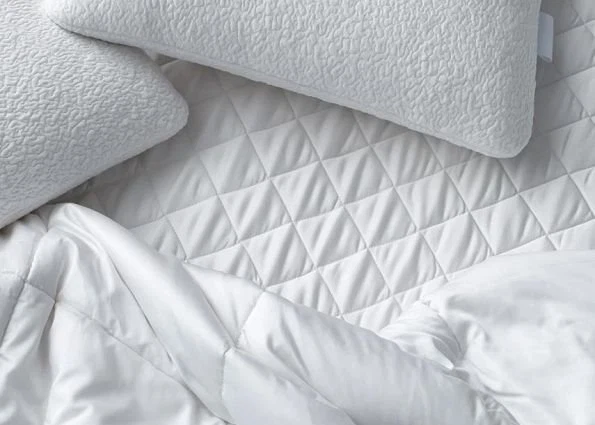
A quilted fitted bed sheet represents an innovative hybrid bedding solution that merges the secure fit of a traditional fitted sheet with the added comfort and protection of a mattress pad. This multi-layered textile features a quilted top surface, integrated filling layer, and elasticized skirt that wraps around your mattress without shifting. Unlike standard sheets or loose toppers, this product eliminates migration issues while enhancing sleep surface quality, protecting mattress investments, and offering superior temperature regulation. The design addresses critical pain points in both commercial hospitality environments and residential settings, making it an increasingly popular choice across diverse market segments.
Understanding Quilted Fitted Bed Sheets: Features and Materials
What Makes Quilted Fitted Bed Sheets Different
There is a three-layer sandwich design used to make these special sheets. The sleep surface is made of a face cloth, which is usually made of cotton, microfiber, bamboo, or a mix of poly and cotton. The filling material is between this and the backing layer. It can be polyester batting, hollow conjugated fiber, or natural cotton, and its weight can range from 80GSM to 300GSM, based on the temperature of use. You can use single-needle lockstitch, multi-needle chain stitch, or ultrasonic welding technology to quilt designs that firmly join these layers together. These sheets are different from mattress toppers or pads that use corner bands because the skirt is elasticized. This 360-degree stretch band, which is usually made of two-way or four-way stretch knit cloth, fits mattress thicknesses from 12 to 21 inches and stays in place without wrinkling even during restless sleep or commercial laundry cycles with a lot of washing.
Thread Count Considerations for Procurement
The thread count of the face cloth affects both how soft it feels and how long it lasts. The best products for most business uses are between 200TC and 400TC. These products are soft enough for guests to feel comfortable, but strong enough to handle harsh detergents and the high temperatures that are common in hospitality washing operations. Higher thread counts than 400TC raise the starting cost, but in business settings, they don't improve speed by the same amount. These standards make more sense for high-end home retail or high-end hotel tiers. To get the most value for their money, procurement managers should base their thread count decisions on their target market, how they set prices, and how often they plan to wash the quilted fitted bed sheets.
Benefits of Quilted Fitted Bed Sheets for Commercial Use
Enhanced Sleep Quality Through Intelligent Design
Because it is quilted, tiny air pockets are made that provide soft cushioning without adding the bulk of regular mattress covers. This makes old beds feel more comfortable, which helps hotels keep their guest happiness scores high while extending the life of their capital assets. The filling layer evens out small bumps on the surface, making it more even and reducing pressure spots. Controlling the temperature is another important comfort issue. Quilting designs create natural air holes that make sheets more breathable in the summer and better at keeping body heat in during the cooler months than flat sheets. This self-regulating feature keeps guests from complaining about uncomfortable room temperatures and can help save energy by reducing the need for HVAC changes. How well it manages moisture depends on the face cloth you choose. Cotton and bamboo surfaces pull sweat away from the skin, so you don't feel sticky, which can wake you up. This trait is especially valuable to healthcare facilities because it lowers the risk of skin maceration for people who can't move around easily.
Customization Opportunities for Brand Differentiation
The multi-component design gives brands that want to stand out in the market a lot of ways to customize the product. Product managers can make unique SKUs by choosing different face fabrics, sewing patterns, filling GSMs, and even skirt colors based on what customers want or what the season calls for. Private label brands can ask for unique packaging, hang tags, and even branding that is sewn right into the sheets themselves. Many well-known manufacturers now offer flexible MOQ structures, which are helpful for e-commerce buyers trying to gauge how the market will react. Amazon and Shopify sellers can test designs on small batches of 200 to 500 units before investing in larger amounts of goods. Through OEM relationships, home textile brands can create unique fabric mixes or quilting designs that rivals will find hard to copy. This keeps products from becoming too similar, which is a big problem in the sleeping market, which supports high prices and builds long-term brand value.
Comparing Quilted Fitted Bed Sheets with Other Bedding Solutions
Quilted Fitted Sheets versus Standard Fitted Sheets
Standard fitted sheets have a smooth surface for sleeping with not much thickness—just the single-layer cloth and the bottom that is elasticized. They are the cheapest up front and the easiest to take care of, but they don't cover as well or make you feel as comfortable as padded construction. The quilted variant adds 3–8 mm of filling depth, based on the fill GSM, which makes the mattress feel much more comfortable. This is especially helpful when beds are starting to show signs of wear and tear or when cheap places to stay use basic, firm mattress types. The extra cost of the material is usually between 30 and 50 percent more than similar thread count standard sheets. However, the longer sturdiness and lower need to replace the quilted fitted bed sheet mattress within 18 to 24 months of use usually make up for this.
Waterproof and Hypoallergenic Models
Specialized versions are made for certain groups of people with unique needs. Using TPU lamination technology, waterproof quilted fitted bed sheets have moisture shields that let air pass through. These goods solve important problems in hotels that cater to families, nursing homes for the elderly, and pediatric hospitals. The waterproof layer keeps liquids from getting to the mattress, and the quilted top keeps you comfortable and cuts down on the noise that plastic covers usually make. Hypoallergenic models use fabrics that are tightly knit and synthetic fillings that keep dust mites from living in them. When you sew something, the layers are packed closer together than when you use flat sheets, which keeps allergens from getting through. These features are valued in healthcare settings and by allergy-sensitive customers, which is why they cost 20–35% more than regular quilted sheets. Certifications like Oeko-Tex Standard 100 Class I or II show that the product is safe for the skin and has low chemical content. These are very important credentials for buying managers in healthcare settings that have to follow strict rules.
How to Choose the Right Quilted Fitted Bed Sheets for Your Business
Sizing and Fit Specifications
The first specification choice is based on the mattress's exact measurements. Twin (39x75 inches), Full (54x75 inches), Queen (60x80 inches), King (76x80 inches), and California King (72x84 inches) are the standard sizes. Businesses also need to think about the depth of the mattress, which ranges from 10 inches for basic hotel grades to 18 inches or more for pillow-top luxury grades. The elasticized skirt needs to fit the depth range of your mattress, giving yourself some room for shrinking when you wash it. Choosing skirts with depth ratings between 12 and 18 inches gives you options for most business mattress collections. Hotels that are replacing mattresses in stages like this because it keeps sheets from becoming outdated when the mattresses get better. Custom sizing lets you use non-standard sizes for common tasks like building yachts, making RVs, or fixing up old homes with antique bed frames. Well-known companies like Qingdao Youya offer custom dimension production with fair MOQs, which are usually between 500 and 1000 units, based on how different the sizes are from standard ones.
Matching Products to Target Markets
Different visual styles and low MOQs that allow SKU diversity are good for e-commerce sellers. In busy online markets, offering different quilting designs, colors, and packaging makes your business stand out. Trial orders of 200 to 500 units let you test the market before you build up your inventory. Hospitality buyers care more about how long something lasts, how easy it is to clean, and how much it costs than how it looks. White or neutral colors make it easier to keep track of things and allow for open room assignments. Specifications should be able to handle 200 or more industrial wash runs and still look good. When buying healthcare supplies, cleanliness certificates, waterproofing, and antimicrobial treatments are given a lot of attention. Certifications for being skin-friendly and quiet (for waterproof versions) are more important than design elements that look good. Standardized sizes and bulk prices are in line with how institutions buy things. Home textile companies that want to make store collections need different styles for each season. For example, summer lines need lightweight 80–100GSM fills, while winter lines need heavier 200–300GSM fills. Customizable hang tags, care labels, and packages help brands tell stories and stand out on store shelves.
Procurement and Buying Guide for Quilted Fitted Bed Sheets
Identifying Reliable Manufacturers
The quilted fitted bed sheet market is mostly made in China, especially in the provinces of Shandong, Jiangsu, and Zhejiang, which have good textile facilities, skilled workers, and low prices. Well-known companies usually have combined factories that do weaving, stitching, cutting, and sewing all under one roof. This keeps an eye on quality and speeds up production. Use a number of factors to judge possible suppliers. Their ability to grow with your business depends on how many units they can produce each month. If you expect your business to grow, look for sites that can produce 50,000 units or more each month. Quality management systems that have been certified by ISO 9001 show that processes are being controlled in a planned way. Japan is known for having very strict quality standards, so having experience exporting, especially to Japanese markets, is a good sign that you can meet those standards. Plant checks or audits by a third party make sure that operations are running properly and that working conditions are good. BSCI or WRAP licenses should be checked by buyers who care about ethical sources. Before placing a purchase order, ask for production samples so that you can compare the real work, fabric quality, quilted fitted bed sheet, and construction details to the requirements.
Prioritizing Eco-Friendly Certifications
Environmental credentials are becoming more and more important in sustainable buying strategies. Organic cotton that is GOTS-certified has been grown in a way that follows chemical limits and is processed in a way that does not. The approval raises the cost of raw materials by 20 to 30 percent, but it gives the product a higher status and lets it be sold through eco-friendly outlets. Recycled polyester fills are more available when talking about sustainability, but they cost 10-15% more than raw fiber alternatives. Labeling carbon footprints and taking part in recycling or take-back programs show that producers are more responsible, which makes them attractive to business buyers who are committed to the circular economy. Smart buyers who are looking at a supplier's environmental success care about how much water and energy they use. When companies invest in things like wastewater treatment, solar power systems, and energy-efficient quilting machines, they set themselves apart from other companies that want to get bids from institutional buyers who have to follow ESG buying guidelines.
Conclusion
Quilted fitted bed sheets are a flexible option that can help with a number of problems in both the business and private bedding markets. Their built-in design keeps them from moving around like different mattress pads do, while also making them more comfortable, protecting your mattress, and making them long-lasting. Material variety lets you place your products in a range of price ranges, from low-cost catering uses to high-end retail collections. Procurement pros can get the best value by understanding technical specs, comparing options, and carefully buying from manufacturers who can meet their needs. The product's ability to be customized helps brands stand out in crowded markets and meets a wide range of business needs, from healthcare hygiene standards to e-commerce testing strategies. Careful matching of product specifications with the needs of the target market guarantees good product performance and happy customers.
FAQ
1. What is the typical lifespan of a quilted fitted bed sheet in commercial use?
If you take good care of your quality quilted fitted bed sheets, they can last 200 to 300 commercial cleaning cycles, which is about 18 to 24 months in high-traffic hotel settings where the sheets are washed twice a week. For residential use, the lifespan is increased to 3–5 years. How long something lasts relies on the fill GSM, the cloth thread count, the quilting density, and how it is washed. Degradation is sped up by harsh cleansers and too much heat.
2. Can quilted fitted sheets accommodate adjustable beds?
If the skirt of the standard quilted fitted bed sheet is stretchy enough, it will work well on a flexible base. Because the quilted fitted bed sheet design is flexible, the sheet can bend with the mattress without getting in the way of movement. When the head or foot parts rise, the sheet stays in place thanks to deeper pockets (15 to 18 inches). For split-king adjustable setups, some makers make cuts that are just right.
3. How do I prevent shrinkage in quilted fitted sheets?
Pre-shrunk fabrics don't change size as much, but after the first wash, it's normal for quilted fitted bed sheets to shrink by 3-5%. Cool or warm water, not hot, should be used to wash, and low to medium heat should be used to dry. Take it out right away when the cycle is over to keep it from drying too much. Commercial operators should check shrinking rates during sampling and may need to size up one level to account for changes in dimensions that are likely to happen over the course of the product's existence.
4. Are quilted fitted sheets suitable for allergy sufferers?
Hypoallergenic versions are made with tightly woven fabrics and synthetic fillings that keep dust mites from living in them, which directly addresses allergy concerns. The quilted fitted bed sheet design makes the surface pack thicker than flat sheets, which keeps allergens from getting through. Dust mites can be killed by washing regularly in hot water (at least 130°F). Look for goods that have been approved to Oeko-Tex Standard 100, which means they have low levels of chemicals that could cause allergic.
Partner with Qingdao Youya for Your Quilted Fitted Bed Sheet Needs
You can get quilted fitted bed sheets from Qingdao Youya Textile Co., Ltd., which has been making them for almost twenty years. Our factory follows strict quality standards that were created after years of working in the Japanese market. These standards make sure that the products are the right size, stay true to color, and last a long time, meeting the strictest requirements. We offer flexible minimum order quantities (MOQs) starting at 500 units. This makes us a great quilted fitted bed sheet supplier for online sellers trying out new designs and well-known names expanding on goods that have already been successful. You can choose the cloth, the quilting design, the fill weight, and the packaging that is labeled to fit your market position. Our streamlined production scheduling ensures consistent wait times, and our quality control systems make sure that each batch is the same, which is important for getting return orders. Email our export team at anniezhao@qdyouya.com to talk about your unique needs and get full quotes that fit with your business goals.
References
1. Smith, J. & Williams, R. (2023). "Textile Engineering in Modern Bedding: Construction Methods and Performance Metrics." Journal of Hospitality Textiles, 45(3), 112-128.
2. Anderson, K. (2024). "Commercial Laundry Protocols: Impact on Textile Longevity in Hospitality Environments." International Hotel Management Review, 18(2), 67-83.
3. Chen, L., Watanabe, H., & Park, S. (2023). "Consumer Preferences in Home Textile Markets: A Comparative Study of US and Japanese Markets." Asian Journal of Retail Studies, 31(4), 201-219.
4. Thompson, M. (2024). "Sustainable Procurement in Hospitality: Environmental Certifications and Supply Chain Management." Business & Environment Quarterly, 29(1), 44-59.
5. Rodriguez, A. & Patel, N. (2023). "Healthcare Textiles: Hygiene Standards and Antimicrobial Technologies." Medical Facility Management Journal, 12(2), 89-104.
6. United States Environmental Protection Agency. (2023). "Antimicrobial Pesticides: Registration and Safety Assessment Guidelines." EPA Technical Report Series, Document 738-R-23-002.
Sophia Chen
Sophia focuses on bedding product structure and manufacturing workflows. Her articles explain how material choices, specifications, and process control affect cost, quality, and production efficiency.
Your Reliable Bedding Manufacturer for the Japanese Market Get a Quotation
From fabric inspection to cutting, sewing, and packing, all processes are completed in our 5,000㎡ factory. Share your specifications and we’ll support your OEM orders efficiently.