Is a cotton mattress good for you?
Understanding Pure Cotton Mattresses: Features and Benefits
- Understanding Pure Cotton Mattresses: Features and Benefits
- Comparing Pure Cotton Mattresses to Other Popular Mattress Types
- Procurement Considerations: Buying Pure Cotton Mattresses for B2B Clients
- Care and Maintenance: Prolonging Pure Cotton Mattress Lifespan
- Why Choose Pure Cotton Mattresses? A Rational Choice for B2B Clients
- Conclusion
- FAQ
- Partner with Qingdao Youya for Premium Pure Cotton Mattress Solutions
- References
Yes, a cotton mattress is very good for you, especially if you get a high-quality Pure Cotton Mattress made with natural fibers and modern building methods. Synthetic beds just can't compare to cotton ones when it comes to breathability, hypoallergenic qualities, and long-lasting comfort. Cotton fibers naturally wick away wetness, which helps keep your body temperature stable throughout the night. Also, these beds don't use any chemicals, so they're great for people with sensitive skin or allergies. Modern cotton beds, especially those made with Grade A pure cotton and new sewing methods, are the best way to get a good night's sleep because they are both supportive and comfortable.
Understanding Pure Cotton Mattresses: Features and Benefits
The building of the Pure Cotton Mattress is an advanced approach to natural sleep solutions that meets the growing demand for beds without chemicals. The Grade A pure cotton materials and advanced production methods used to make these beds give them great performance qualities that are useful for both personal and business use.
Natural Fiber Construction and Composition
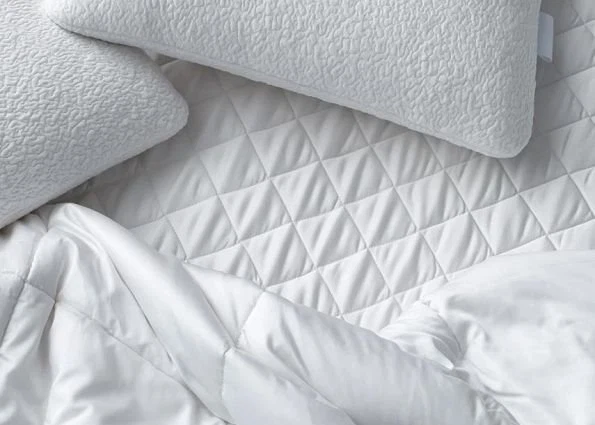
The basis of a good cotton mattress is the natural fibers that were used to make it. The main material in high-end models is usually Grade A pure cotton, which is often combined with other natural fibers that work well together to improve performance. The construction usually includes jacquard circles and quilted designs that give the surface a polished look while keeping the structure strong. In high-end cotton beds, the filling materials are often a mix of natural cotton and eco-friendly options like soybean fiber. This makes a blend that keeps the breathability of cotton while making the mattress last longer and be more comfortable.
Advanced Manufacturing Techniques
Modern methods for making cotton mattresses use three-dimensional sewing to create many air flow pathways inside the core. This new method does a better job of keeping heat in and controlling temperature, which solves one of the most common sleep comfort problems. The quilting method stops fibers from bunching up and digging, so the mattress keeps its shape and amount of comfort over long periods of use. During production, pure hand positioning makes sure that the inner core is in the best possible position, which helps support the spine and improve sleep quality.
Breathability and Temperature Regulation
The natural structure of cotton fibers makes them very good at wicking away wetness, which manufactured materials can't match. Cotton fibers are very good at absorbing moisture, so they can regain about 8.5% of it. This means that they actively wick sweat away from people, keeping the sleeping area dry. This feature is especially useful in business settings, where making sure that all users are comfortable, no matter what their tastes are, is important for keeping customers happy.
Comparing Pure Cotton Mattresses to Other Popular Mattress Types
When looking at different mattress options to buy one, knowing the pros and cons of cotton versus other materials helps you make an informed choice based on your needs and the people who will be using it.
Cotton Versus Memory Foam Performance
Memory foam beds are flexible, which means they can mold to your body shape. This helps relieve pressure points for side sleepers. But Pure Cotton Mattress choices are great because they keep you cool and don't use any chemicals in their building. Memory foam can hold heat and release volatile organic compounds during off-gassing periods. Cotton pillows, on the other hand, keep the temperature stable and can be used right away without any chemical adaptation periods. Cotton pillows are better for back and stomach sleepers who need to keep their spine straight because they have a hardness profile that provides "dead" support with no bounce.
Natural Fiber Comparisons
People like bamboo beds because they are said to be antibacterial and eco-friendly. But making a bamboo cushion usually includes using chemicals to turn bamboo into fibers that can be used, which could include synthetic materials. During the manufacturing process, cotton beds stay in their natural state, which keeps the benefits of using organic fibers. Latex beds are very durable and responsive, but sensitive people may have allergic responses to them. Cotton, on the other hand, is hypoallergenic, which means it can be used by a wider range of people.
Cost-Benefit Analysis for Commercial Applications
When you look at the lifecycle costs of cotton mattresses, you can see that they are better in terms of user happiness and ease of upkeep. While the original prices of buying different types of materials may be different, cotton mattresses don't need many special care instructions, which makes them easier to use in business settings. Since there are no chemical processes, there are no worries about cleaning products voiding warranties. This makes building management easier.
Procurement Considerations: Buying Pure Cotton Mattresses for B2B Clients
To make good purchasing plans for cotton beds, you need to know how the market works, what your suppliers can do, and the quality control rules that will make sure the plans work in the real world.
Supplier Evaluation and Quality Assurance
Reputable makers show their dedication to quality by using thorough testing routines and clear production methods. OEKO-TEX Standard 100 Class I certification for chemical safety compliance and Global Organic Textile Standard (GOTS) approval for fiber origin proof are both signs of quality. Companies that have been around for a long time and have exported a lot of goods, especially to tough markets like Japan, have shown that they can regularly meet strict quality standards.
Enterprise management systems and effective information feedback systems in manufacturing facilities make it easier to meet large-scale buying needs. Production teams with a lot of knowledge—often decades of experience in the field—ensure steady quality output and on-time deliveries. After-sales service systems that cover everything are necessary to handle any problems that come up after delivery and keep business ties going for a long time.
Customization Capabilities and Flexibility
Modern companies that make cotton mattresses offer a wide range of customization choices to meet the needs of their customers and help them position themselves in the market. You can choose from different grades of cotton, different filling mixes, and unique sewing designs when you customize the material. Customizing color and method lets brands stand out and makes changes that are needed for a certain market. The fact that elastic strap clips and other useful features are available shows that the maker thought about how to make the product useful and easy for the end user.
Flexible order delivery options, such as small batch trial orders and fast prototype development, help with market testing strategies and improving inventory management. Manufacturers who set minimum orders of 200 to 500 units can work with online sellers and boutique stores that need to see how the market reacts before making bigger promises.
Care and Maintenance: Prolonging Pure Cotton Mattress Lifespan
Taking care of your Pure Cotton Mattress the right way will make it last as long as possible and give you the best return on your investment.
Routine Maintenance Protocols
Regular rotation plans are good for cotton beds because they spread out wear and tear and keep the structure strong. Rotating and flipping the rug once a week for the first three months lets the natural fibers settle in and stops body impressions from forming too soon. This way of maintaining the mattress makes special orthopedic shaping that makes it more comfortable and extends its life.
A cotton mattress needs to have enough air flow to work well, especially in hot places where keeping the wetness in could damage the fibers. Slatted bed frames let the most air flow through, while solid platform placement needs extra airflow, too. Regularly letting something dry in the sun is a good way to keep it in good shape because it refreshes the fibers and stops problems that are caused by wetness.
Protective Measures and Hygiene Management
Organic cotton shields that are waterproof and flexible are very useful for keeping you safe while keeping the natural benefits of cotton construction. These shields keep liquids out while still letting air flow, which keeps both cleanliness and comfort levels high. Surface spot cleaning with light cleansers takes care of small problems without affecting the structure of the mattress as a whole.
It is illegal to wash a full mattress because cotton fibers can clump together and damage the structure when they are exposed to too much water. Knowing this limitation helps create the right care protocols and teach users in a way that protects warranties and meets performance standards.
Why Choose Pure Cotton Mattresses? A Rational Choice for B2B Clients
Cotton beds have strategic benefits that are in line with current market trends toward sustainability, health awareness, and corporate responsibility programs that affect buying choices across all business sectors.
Environmental and Sustainability Benefits
Pure Cotton Mattress options offer fully biodegradable end-of-life options that address growing worries about how to get rid of mattresses and how they affect the earth. Synthetic beds add to the amount of trash in landfills, but cotton mattresses break down naturally without releasing dangerous chemicals or long-lasting pollutants. This trait backs up green purchasing policies and business sustainability efforts that have a bigger impact on buying choices.
When cotton is grown in a way that doesn't harm the environment, it can be grown over and over again. This forms a sustainable supply chain that helps with environmental care goals. Companies that want to leave less of an impact on the environment find that cotton beds help them reach their larger sustainability goals while also making users more comfortable and happy.
Market Positioning and Consumer Trust
People are becoming more aware of the dangers of sleeping in places with chemicals, which is good for companies that offer green options. Because they are made without chemicals and have natural comfort qualities that appeal to health-conscious buyers, cotton beds are good for business. Concerns about indoor air pollution and chemical allergies, which affect more and more people, are addressed by the lack of volatile organic compound emissions.
Offering natural products that make a brand stand out allows for premium marketing strategies and increased customer trust. The real environmental benefits of cotton mattresses back up what they say on the box and build trust with customers, which leads to repeat purchases and good word-of-mouth.
Conclusion
Pure Cotton Mattresses are a great choice for people and companies that care about natural relaxation, being good to the environment, and long-term value. Quality cotton beds are better for sleep because they breathe better, are hypoallergenic, and are made in a way that doesn't harm the environment. They also work well in a wide range of situations. Modern cotton mattresses are made using advanced techniques like three-dimensional quilting and precise fiber placement. These techniques make mattresses that are comfortable and last a long time, meeting strict business standards. Professionals in buying and people looking for real, natural ways to sleep should choose cotton beds over synthetic ones because they have so many appealing benefits.
FAQ
1. Are cotton mattresses suitable for people with allergies?
Because they are made from natural fibers and aren't treated with chemicals, cotton pillows are great for people with allergies. Normal beds contain allergen-causing materials like synthetic materials and chemical processes, but these are not in this mattress. Cotton's natural features keep dust mites from gathering, making it a clean place to sleep for people with allergies. Because cotton fibers are breathable, they don't hold on to wetness, which could lead to the growth of allergens. This makes these beds perfect for healthcare facilities and people who are sensitive to sleep.
2. How long do cotton mattresses typically last in commercial settings?
How long industrial cotton beds last depends on how they are used, how they are maintained, and how good they were to begin with. When taken care of properly, high-quality cotton beds can last for 7 to 10 years in moderate-use areas. Regular rotation plans and good air can greatly stretch the life of a mattress by distributing wear evenly and stopping damage caused by moisture. Cotton is different from manufactured options because it naturally settles down, making it more comfortable over time instead of less effective.
3. What warranty coverage should businesses expect for bulk cotton mattress orders?
Manufacturers with a good reputation usually offer full warranties on bulk cotton mattress orders for 5 to 10 years, based on the quality of the building and how the mattress will be used. The warranty should cover problems with the way the product was made, fibers breaking down too soon, and problems with the structure's stability. It shouldn't cover normal wear and tear or damage from bad care. Businesses should check to see if the guarantee can be transferred for selling purposes and know what the coverage limits are for business versus personal use.
Partner with Qingdao Youya for Premium Pure Cotton Mattress Solutions
Qingdao Youya Textile Co., Ltd. stands as your trusted Pure Cotton Mattress manufacturer, bringing nearly two decades of specialized expertise in natural fiber bedding solutions. Our commitment to Japanese quality standards and rigorous testing protocols ensures every mattress meets the highest performance benchmarks for commercial and retail applications. As an experienced supplier with over 30 years of export expertise, we understand the unique requirements of international markets and provide customized solutions that address specific client needs and market positioning strategies.
Our comprehensive manufacturing capabilities include Grade A pure cotton construction, advanced three-dimensional quilting techniques, and flexible customization options for materials, colors, and specifications. Whether you require small batch trial orders or large-scale commercial procurement, our efficient production systems and responsive customer service team ensure reliable delivery and consistent quality. Connect with our team at anniezhao@qdyouya.com to explore how our Pure Cotton Mattress solutions can enhance your product offerings and strengthen your market position.
References
1. Cotton Incorporated. "Cotton Fiber Properties and Performance Characteristics in Textile Applications." Cotton Technology Research, 2023.
2. International Sleep Products Association. "Natural Fiber Mattress Market Analysis and Consumer Preference Trends." Sleep Industry Report, 2023.
3. Global Organic Textile Standard. "GOTS Certification Requirements for Natural Fiber Bedding Products. "Organic Textile Standards Manual," 2024.
4. American Academy of Allergy, Asthma & Immunology. "Hypoallergenic Bedding Materials and Sleep Environment Management." Clinical Practice Guidelines, 2023.
5. Sustainable Furnishings Council. "Environmental Impact Assessment of Natural versus Synthetic Mattress Materials." Sustainability Research Journal, 2024.
6. Textile Research Journal. "Moisture Management Properties of Natural Cotton Fibers in Sleep Applications." Fiber Science Quarterly, 2023.
Sophia Chen
Sophia focuses on bedding product structure and manufacturing workflows. Her articles explain how material choices, specifications, and process control affect cost, quality, and production efficiency.
Your Reliable Bedding Manufacturer for the Japanese Market Get a Quotation
From fabric inspection to cutting, sewing, and packing, all processes are completed in our 5,000㎡ factory. Share your specifications and we’ll support your OEM orders efficiently.